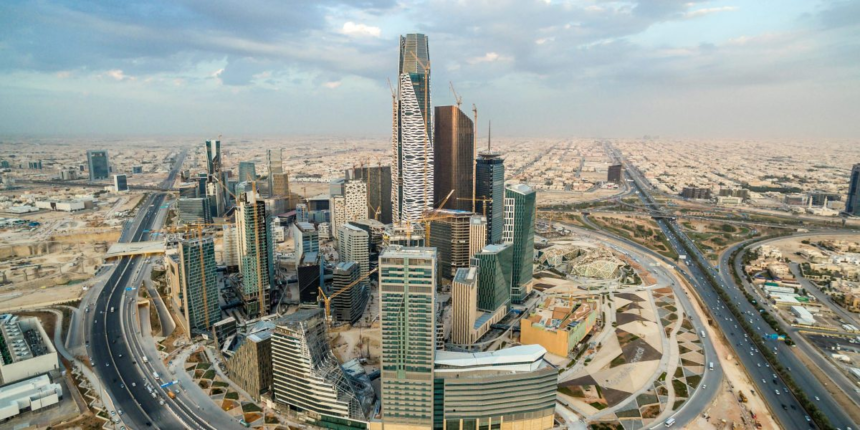
The PIF—the main driver of Saudi’s multitrillion-dollar Vision 2030 diversification plan—is directing 80% of its capital into domestic investments, scaling back foreign allocations to 20% from a peak of 30% and deprioritizing costly or slow-yielding giga-projects.
Neom’s flagship infrastructure project , The Line—originally envisioned as a 106-mile futuristic, linear megacity for 9 million residents— is to be radically scaled back to measure just 1.5 miles in its first phase, while ski resort Trojena is also being downsized and will no longer host the 2029 Asia Winter Games, as planned.
But the kingdom is still grappling with sizeable budgets in preparing to host the Expo 2030 world trade fair and the FIFA World Cup in 2034.
In helming the PIF, Al-Rumayyan is trying to maintain a difficult balancing act of funding an expensive economic transformation while coping with lower oil income, fiscal pressures and geopolitical uncertainty across the region.
With the ink barely dry, the interim peace deal that was signed last week between the U.S. and Iran has already been put to the test by both sides.
While the Middle East remains a geopolitical tinderbox, it is hard to envisage tourists, businesses and foreign investors rushing to fulfill Al-Rumayyan’s grand vision of bringing the world to Saudi.
Get in touch: Reply to this email with feedback or contact me directly at the address above.