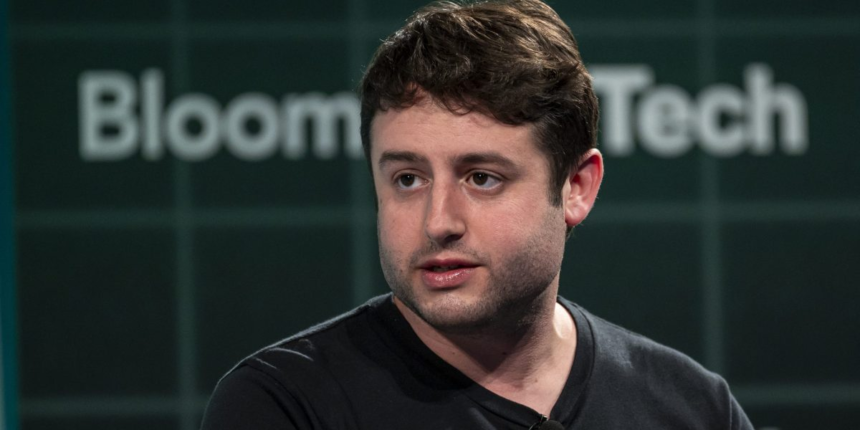
“2025 was a massive year for us,” said Figma chief financial officer Praveer Melwani in an interview before the announcement. “There’s a lot of momentum, and if you zero in on the quarter specifically, growth accelerated from Q3 to Q4.”
In after-hours trading following the earnings release, the stock traded up 15%.
In prepared remarks, Melwani attributed the Q4 free cash flow decline to “continued investment in infrastructure and AI, changes in the timing of vendor payments, and a one-time $25 million IP transfer tax.” The latter is tied to Figma’s $200 million acquisition of AI-imaging startup Weavy, which has since been rebranded to Figma Weave.
Melwani said the company “remains confident in the long-term cash generating profile of the business” and pointed to stabilization in gross margins over the past two quarters. Q3 held at 86%, which was the same in Q4, although weekly active users of Figma’s prototyping tool, Figma Make, rose 70%. “Improvements in infrastructure optimization reduced our cost to serve each user,” he said.
In an interview, Melwani laid out a two-pronged approach. First, embedded credits across all seat types, including starter and free users, will get them started on the AI offerings—and Figma hopes they’ll engage deeply with the tools. Second, once March rolls around and the consumption limits kick in, users on the platform that exceed the limits will have to purchase an add-on pack, said Melwani.
He said the right signals are all there. Some 75% of paid customers with more than $10,000 in annual recurring revenue (ARR) are now bingeing AI credits on a weekly basis. More than half of Figma’s paid customers above $100,000 in ARR are using Figma Make every week, he said. Figma is betting that usage will convert into revenue that offsets the infrastructure costs.
“We’ll slowly start to transition to include some consumption and as you do that, you’ll start to see an offset,” said Melwani.
Figma will still need to convince investors that even though its profitability seems to be creeping in the wrong direction, it will eventually catch up with its top line.
Figma wrapped up Q4 with 67 customers spending more than $1 million annually, up 68% year-over-year, which is a cohort Melwani said the company doesn’t often flag.
“We’ve done a lot of work to make sure what we’ve built is scalable for enterprise,” he said. “That’s translated into accelerated growth.”