Just as the global economy cautiously emerges from one crisis, another is beckoning at the doorstep, one that is completely out of politicians’ control.
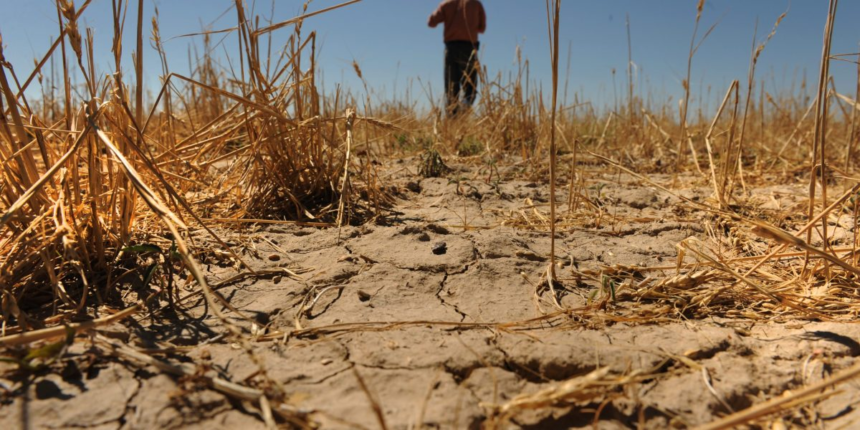
While it is still early in the cycle, this El Niño promises to be an intense one, and the weather ripple effects could quickly cascade globally. Past events have strained supply chains, raised costs, and exacerbated risks in sectors vulnerable to weather shifts, such as agriculture and the larger global food supply chain. Assuming current forecasts are accurate, the beast currently forming over the Pacific Ocean could do much more than tweak rainfall patterns.
“The latest outlook should be seen as an early warning to governments, companies, and aid agencies to prepare for what could be a major systemic shock,” he wrote.
El Niño tends to form every few years owing to weakening wind patterns over the Pacific Ocean, with conditions generally lasting up to a year. Usually, prevailing winds push warmer surface water away from the Americas toward Asia and Oceania, but El Niño disrupts this process, leaving warm water close to North and South America’s shores. This impacts weather patterns worldwide, influencing everything from drought conditions in Indonesia to heavier precipitation in the southern U.S.
Over the course of the 21st century, the cumulative effects of El Niño events could add up to $84 trillion in economic losses, the study found.
“Sustained shortages could amplify risks to globally traded food commodity prices posed by an El Niño phenomenon, potentially affecting inflation prospects even in highly rated sovereigns,” the Fitch analysts wrote.