By the end of the decade, the national average wholesale electricity cost could rise between 6% and 29%, according to the study, which modeled several different energy use scenarios based on existing power demand forecasts. This increase in utility prices is primarily tied to data center expansion, with cryptocurrency mining also included in the modeling of higher costs.
To meet that demand, the study’s modeling projects that utilities will lean heavily on natural gas—a fuel source whose price volatility adds its own layer of uncertainty to future consumer costs.
Jeremiah Johnson, an associate professor of civil and environmental engineering at North Carolina State University and lead author of the study, also found that data centers were likely to turn in part to underutilized coal plants to supply their energy needs. Data center expansion could in fact push CO2 emissions from electricity generation up as much as 28% by 2030, according to the study, reversing some of the power sector’s work over the past two decades to retire coal.
Renewable energy would also play an important role in meeting that demand, although wind and solar’s ability to compensate has grown heavily dependent on policy.
The energy mix matters for costs as much as for emissions. The study found that in regions where renewable development is slow or constrained, such as Virginia, legacy fossil plants stay online longer and consumers will likely have to import power from neighboring states, pushing wholesale costs higher for everyone on the grid.
“The challenge here is the magnitude of this demand we’re talking about is really big. It’s at a scale that dwarfs some of the other changes we’ve experienced to the power sector in recent years,” Johnson told Fortune.
“It’s a little bit of an all-hands-on-deck to get the generation necessary to meet that magnitude of demand.”
With electricity prices expected to surge, economic anxiety among American households is already starting to show up in public opinion.
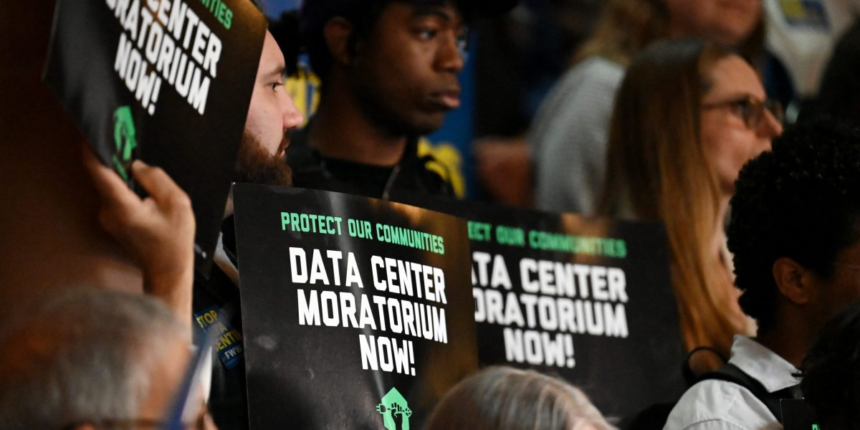
“There’s been lots of local pushback on siting data centers, and this finding that we have where proximity to these large centers leads to local increase in power bills, I think will make the siting processes more contentious and more important,” Johnson said. “I think it’s a really important aspect of the siting to understand who pays for the increased costs associated with power generation, and who bears the benefits.”