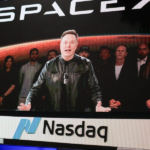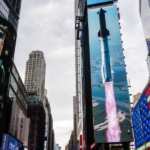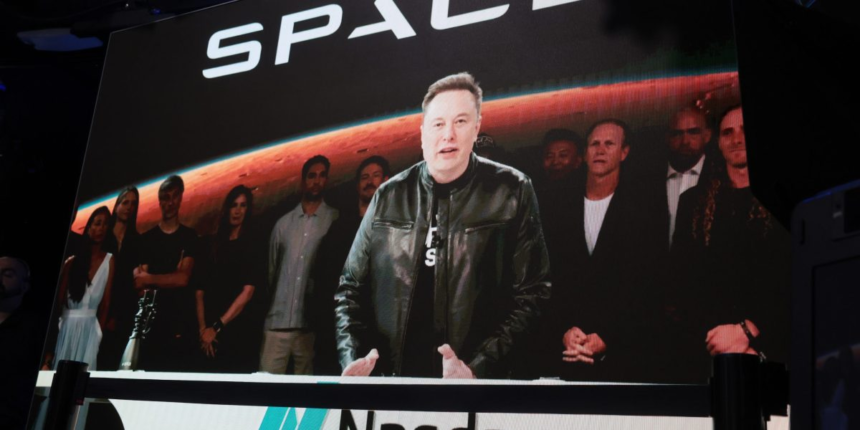
SpaceX’s IPO has made Elon Musk the world’s first trillionaire, but the CEO spent the lead-up to the moment espousing his belief that money won’t matter one day.
As a result, the output of goods and services will exceed the supply of money, effectively creating deflation. With cheap automated labor and no growth in the money supply because work is completed by robots instead of humans, there will be no need for currency.
“I think money will stop being relevant at some point in the future,” he said.
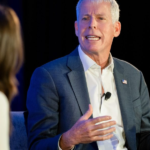
Diamandis called out the irony of Musk’s obsession with a money-less society amid the CEO’s own surging net worth: “So just as you’re becoming a multi-trillionaire, money starts to have less value?”
“Yeah, pretty much,” Musk replied.
“Undoubtedly we’re going to have to think really carefully about how we soft-land those industries that go away, so some sort of UBI, some sort of lifelong learning mechanism as well so people can retrain,” he said.
However, the benefits of universal basic income are limited for low-income individuals, many of whom are able to increase spending only modestly, as they are saddled with debt or poverty.
While the ultrawealthy like Musk may advocate for some form of universal income, they may be unwilling to pay taxes on their wealth to pay for it, Marinescu said, raising questions about the transition from how wealth is distributed today to how it is created and shared in Musk’s predicted world.
Musk, for his part, demurred when Diamandis asked about his own trillionaire status. SpaceX did not respond to Fortune’s request for comment.
“It just represents some percentage ownership in companies that I built, and it’s not, like, sitting in the bank account,” he said. “It’s just literally, I own a percentage of companies. The companies are doing lots of useful things. The value of the company grows. I own a percentage of the companies, and that sums up to that number, which seems high.”