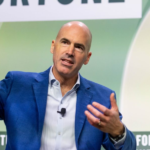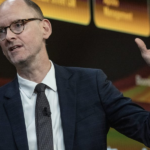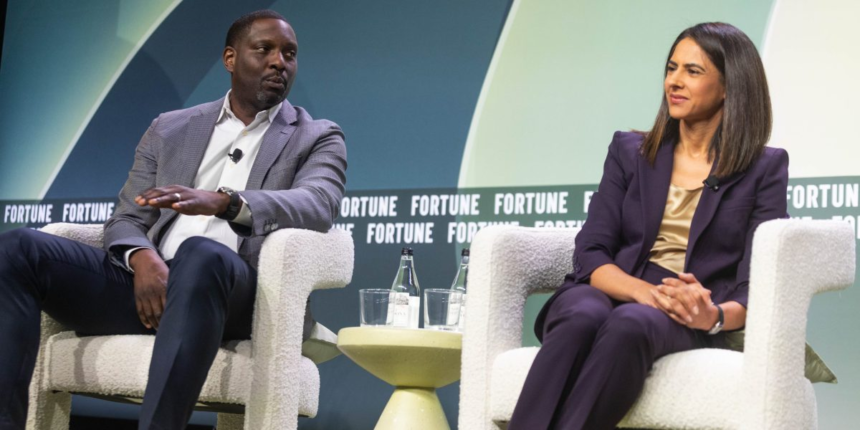
“We are a brand that’s been iconic, but we want to be sustainable,” Roach told a crowd of execs at the “The Bold Bets That Are Reshaping Customer Experience Today” panel. “And so fundamentally we need to change our business model, so that we have the future to look forward to.”
Southwest has also pushed further upmarket, adding more premium offerings to compete for higher-spending travelers. But Roach said the airline is not necessarily trying to mimic larger rivals.
“All we’re doing is widening in aperture to be able to add more premium into the mix,” he said. “It doesn’t mean we’re trying to be Delta, because we don’t think we need to be Delta to be successful.”
Southwest is not alone in having to rework its value proposition.
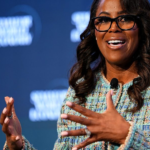
“We had to really redefine what value means in the context of our portfolio,” Ayesha Molino, MGM Resorts International’s COO, said in the Fortune panel alongside Roach.
“We heard loud and clear last year from our customers that they felt like they weren’t getting that value proposition from Vegas anymore, particularly at our core properties,” Molino added during the conversation. “So we listened, we heard it, we changed.”
Molino briefly acknowledged the proposed deal but emphasized that MGM’s immediate focus remains operational execution.
“The trick is really to make sure that we keep our 60,000 employees focused on what they need to do every single day, which is deliver the best guest services possible,” Molino said. “And at our scale, it is a big task to keep that population focused, but I think our leaders are well positioned to do it, and everyone is very zoned in on the task at hand.”
In the meantime, Molino said MGM is keeping every option on the table to make the customer experience as seamless as possible—including revisiting marketing strategies and rethinking booking flows.