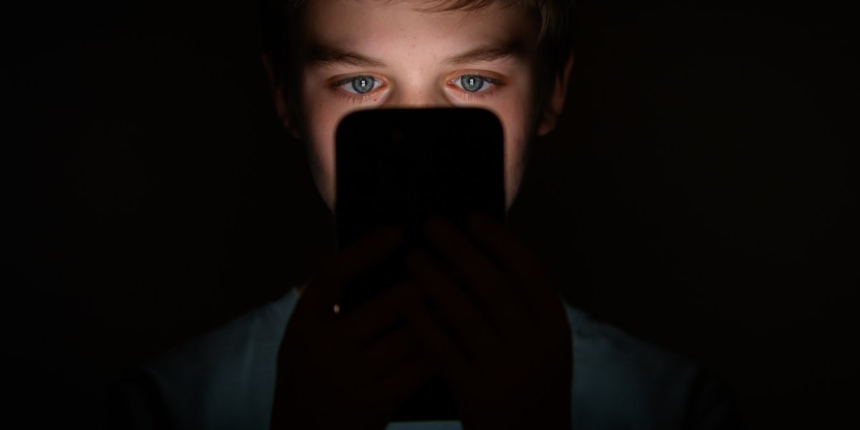
Phones are disappearing from classrooms. There’s no longer a soundscape of notifications during lessons, no more hidden glances at messages and DMs. No longer does the slacker in the back of class scroll endlessly on TikTok.
At least 37 states, as well as Washington D.C., have banned phones and other electronic devices. It costs a hefty amount to do so. New York City public schools have allocated $29 million on phone pouches to hold devices during the day. Los Angeles schools spent $5.2 million. Other major metros are throwing hundreds of thousands of dollars to take phones out of the classroom.
And while that push gains steam, researchers at Stanford University, Duke University, the University of Michigan, and the University of Pennsylvania just conducted the most comprehensive study of phone bans since schools started enforcing them, and the results are mixed.
“We do see slightly positive effects in high schools, and slightly even smaller effects, and negative in middle schools,” Duke professor and study co-author E. Jason Baron, told Fortune, speaking of the impact on test scores. “But again they’re basically close to zero, both of them.”
Of course, there are other factors that may contribute to this decline. While phones have disappeared from the classroom, other devices have moved in.
Computers are now a staple of the American educational experience; most students are handed one to complete assessments and homework. But recent research shows the tech may be doing more harm than good.
But the NBER study found that student wellness is improving. While well-being worsens in the first year of the ban, the results are positive by the third year. There’s a short-term uptick in phone-related disciplinary incidents, but they fall back down soon after.
Teachers are also satisfied as bans take away the arduous task of incessantly asking students to put their phones away. That’s another outcome that Yondr, the company that makes phone pouches schools use, has applauded.
“It reinforces what school leaders have been telling us for years: a phone-free school lays the foundation for calmer, more focused classrooms, where teachers feel supported and students have the space to develop the social skills needed in today’s world,” Yondr CEO Graham Dugoni said in a statement.
The social psychologist, who is a leading figure in the push to get phones banned from the classroom, highlighted the fact that phone bans are still offering more opportunities for face-to-face interaction.
“Phone-free schools seem to be producing more social interaction in class, and a lot more noise and laughter in the hallways, and at lunch,” he said.
Baron said that while phone bans offer a host of benefits, policymakers ought to understand they’re not a panacea for a school’s issues.
“If you’re a school and you really care about getting kids off their phones, this seems to work very well,” he said. “If you really care about test scores, then what our study can tell you is that, up to three years after you’re not seeing much.”