During the pandemic, housing markets in Florida and Texas enjoyed a surge in popularity. Unencumbered by office attendance, remote workers headed south to cash in on the Sunbelt’s warm temperatures, low tax rates, and new construction.
The five most lopsided buyer’s markets in the country are all in the Sunbelt: Miami (where sellers outnumber buyers by 148%), Nashville (119%), Austin (112%), San Antonio (109%), and Las Vegas (101%). Every major Florida and Texas metro Redfin tracks is now a buyer’s market, with Houston sellers outnumbering buyers by 97% and Dallas by 87%.
“High property taxes, rising insurance costs, and fears about job security are making homebuyers very selective,” Barb Cooper, a Redfin Premier real estate agent in Austin, said in a statement. “The buyers who are in the market want turnkey homes in every sense, and they can afford to wait without compromising because we have tons of inventory.”
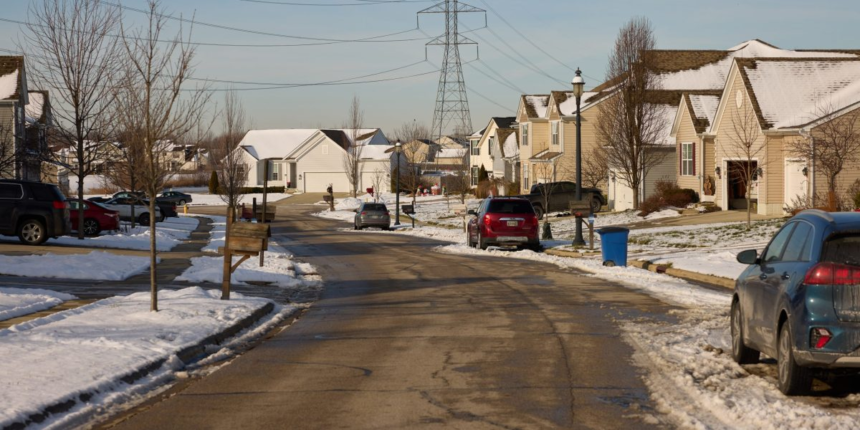
Meanwhile, Ohio is holding the line. Cincinnati and Columbus are modest buyer’s markets (30.7% and 22.8%, respectively), and Cleveland is one of the rare balanced markets in America.
“Perched on the southern shore of Lake Erie, Cleveland mixes Rust Belt grit with a genuine comeback story—from the world-class Cleveland Clinic to the Rock & Roll Hall of Fame, to revitalized neighborhoods like Ohio City and Tremont, where century-old homes sit next to buzzy breweries and restaurants,” according to Realtor.com. “It’s a city that punches well above its weight, and its real estate market is starting to prove it.”
The shift in leverage is showing up in prices, and that’s where Texas and Florida are taking the biggest losses.
“Some of that ‘bifurcation’ boils down to mean reversion, with many of the outright home price declines occurring in markets that overheated further during the pandemic housing boom,” Lambert wrote.
Nationally, home prices rose just 0.8% year over year between March 2025 and March 2026, per Lambert’s analysis of the Zillow Home Value Index, and 89 of the nation’s 300 largest housing markets posted year-over-year price declines in March. In Texas, Florida, and Colorado, active inventory solidly exceeds pre-pandemic 2019 levels, Lambert wrote, because the Sunbelt overbuilt. That means home prices will decrease or remain flat, he added.
This change is also amplified by forces buyers can’t negotiate their way out of: climate risk, property insurance premiums, and rising HOA (homeowners association) fees.
Ohio isn’t on many coastal buyers’ radar for lifestyle reasons, but it can make more sense on paper from an affordability standpoint.
The popularity of Florida and Texas isn’t going away entirely, but the pandemic premium that let Sunbelt sellers name their price is gone. In its place is a market where buyers, armed with inventory and leverage, are finally calling the shots.