The United States and Iran will hold their next round of nuclear talks Thursday in Geneva, a facilitator said Sunday, as the Islamic Republic faces both the threat of a U.S. military strike and new protests at home.
Shortly before Oman’s announcement, Iran’s top diplomat, Abbas Araghchi, told CBS in an interview that he expected to meet U.S. envoy Steve Witkoff in Geneva on Thursday, and said a “good chance” remained for a diplomatic solution on the nuclear issue.
Washington awaits a proposed deal that Araghchi has said would be ready to share within days, and the foreign minster told CBS that Iran was still working on the draft proposal.
The nuclear issue, he added, is the only matter being discussed — even though both the United States and Israel also want to address Iran’s missile program and its support for armed proxies in the Middle East.
Minutes after Oman’s confirmation of the talks, Iranian President Masoud Pezeshkian said on social media that negotiations had involved “the exchange of practical proposals and yielded encouraging signals,” but added that Tehran has “made all necessary preparations for any potential scenario.”
The U.S. has said Iran cannot have nuclear weapons or the capacity to build them and that it cannot enrich uranium. Araghchi, however, told CBS that Iran has the right to enrich uranium.
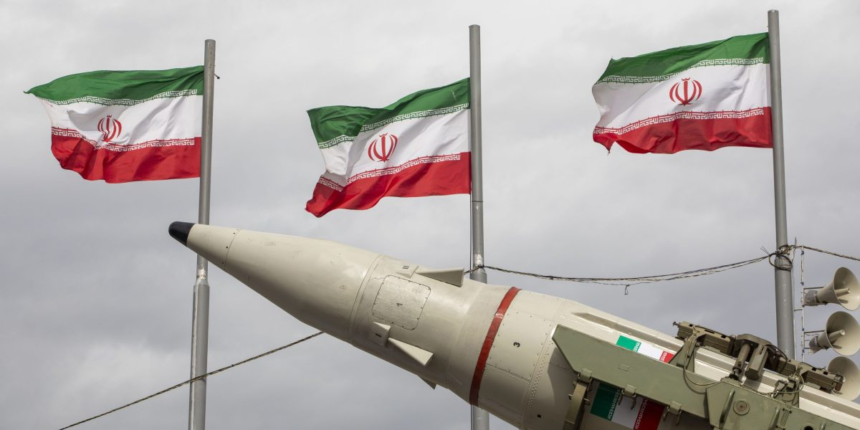
Meanwhile, Araghchi asserted to CBS that “we have a very good capability of missiles, and now we are even in a better situation” than before the strikes in June.
Iran’s state news agency said students protested at five universities in the capital, Tehran, and one in the city of Mashhad on Sunday. The scattered protests erupted Saturday at universities following 40-day memorials for people killed in January during anti-government rallies.
Videos posted on social media appeared to show confrontations at two universities between government supporters and anti-government protesters, with some chanting “Death to dictator.”
Iran’s government has not commented on the latest protests.
Many Iranians have held ceremonies marking the traditional 40-day mourning period in the past week. Most of the protesters are believed to have been killed around Jan. 8 and 9, according to activists tracking the situation.
Although the crackdown tamped down the largest protests, smaller ones are still occurring, according to protesters and videos shared on social media.
Posts on social media Saturday and Sunday have alleged that security forces tried to restrict people from attending some 40-day ceremonies.
The U.S.-based Human Rights Activists News Agency says at least 7,015 people were killed in the previous protests and crackdown, including 214 government forces. The group has been accurate in counting deaths during previous rounds of unrest in Iran and relies on a network of activists there to verify deaths.
The death toll continues to rise as the group crosschecks information despite disrupted communication with those inside the Islamic Republic.
Iran’s government offered its only death toll from the previous protests on Jan. 21, saying 3,117 people were killed. Iran’s theocracy in the past has undercounted or not reported fatalities from past unrest.
The Associated Press has been unable to independently assess the death toll, given authorities have disrupted internet access and international calls in Iran.