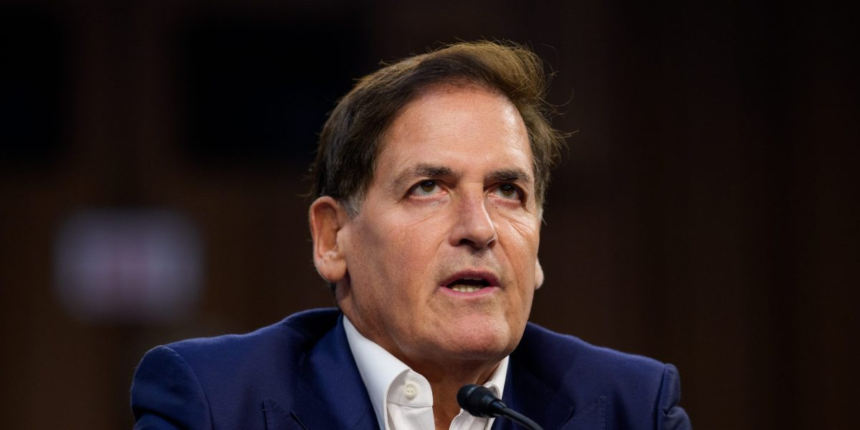
Insurers and providers, according to Cuban, “play on the fear and information asymmetry that exists in healthcare.” He advocated for them to be broken up, so as to “make the markets efficient again.”
When contacted by email, Cuban agreed that “of course” the national debt is so gigantic that even billions of inefficiencies being fixed are just the start. “And obviously those being fined would change their behavior,” he added, but he said he thinks abuse in the system is “far more than $7.3 billion.”
If brand medication moved to net pricing, Cuban offered as an example, then millions of insurance plan holders would pay the net price during their deductible phase, rather than the full retail price they currently pay. “Can you imagine if a Pringles distributor paid full retail to Pringles and then sold to grocery stores for full retail, and then the grocery stores had to wait for a rebate that may or may not cover their cost to buy the Pringles? That’s how pharmacy works. It makes no sense.” He argued this would save patients tens of billions a year across specialty and brand medications.
Economists and health‑policy experts counter that even aggressive savings in prescription drugs and billing reform would only touch part of what is driving a $38 trillion debt built on structural deficits, rising interest costs and political gridlock. They say Cuban’s pharmacy is a powerful example of how to lower prices and expose middlemen, but warn it is unlikely to be the silver bullet for a debt problem fueled by far broader tax and spending choices.
“Right now,” Cuban told Fortune, “the biggest players in healthcare, the insurance companies, the PBMs they own … are all Too Big %pp Care.”