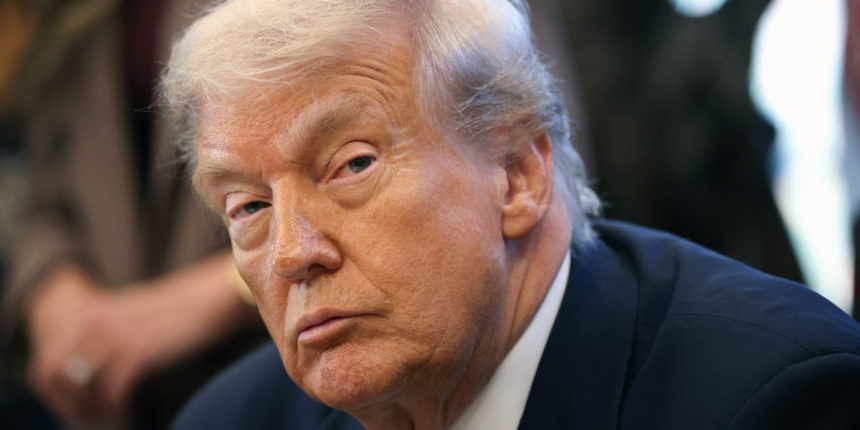
The CBO points out that these substantial debt-reduction projections are highly sensitive to the fate of tariff policy—a policy area marked by political volatility and economic uncertainty. Trump initially touted tariffs as a tool to bring down the ballooning federal debt and, as recently as August, claimed that the policies would generate revenue far exceeding government projections.
After stinging off-year election losses for Republicans in early November, when Democrats won 18 out of 18 races nationwide in which they were on the ballot, Trump moved in the middle of the month to scrap several tariffs linked to affordability concerns. “We just did a little bit of a rollback on some foods like coffee,” Trump told reporters aboard Air Force One, hours after the tariff rollback was announced. Trump had signed an executive order hours earlier, removing tariffs on tea, fruit juice, cocoa, spices, bananas, oranges, tomatoes, and certain fertilizers.