There’s no such thing as a silver medal in a CEO succession race.
The sequence was swift, orderly, and entirely unsurprising to those who study corporate succession. Boards rarely say it out loud, but experienced executives understand intuitively that once a CEO is chosen, the long-term prospects for previously whispered-about internal candidates dim almost immediately as power consolidates around the new chief executive.
That’s why many of the most ambitious leaders in American business don’t linger after a succession decision. They move deliberately, and often quickly, because the moment immediately after a board makes its choice is paradoxically when a near-CEO executive’s market value is at its peak. The executive has just been validated at the highest level—close enough to be seriously considered for the top job—without yet absorbing the reputational drag that can follow prolonged proximity to a decision that didn’t go their way.
In that narrow window, the story is still about capability. Search firms and directors see a leader who was trusted with scale, complexity, and board scrutiny, not someone who failed to clear the final hurdle.
The executives who leave quickly aren’t being disloyal; they’re being realistic. Remaining too long after a succession decision can quietly erode an executive’s standing, both internally and externally, as the narrative shifts from “next in line” to “still waiting.”
There are exceptions. But they tend to follow a different arc.
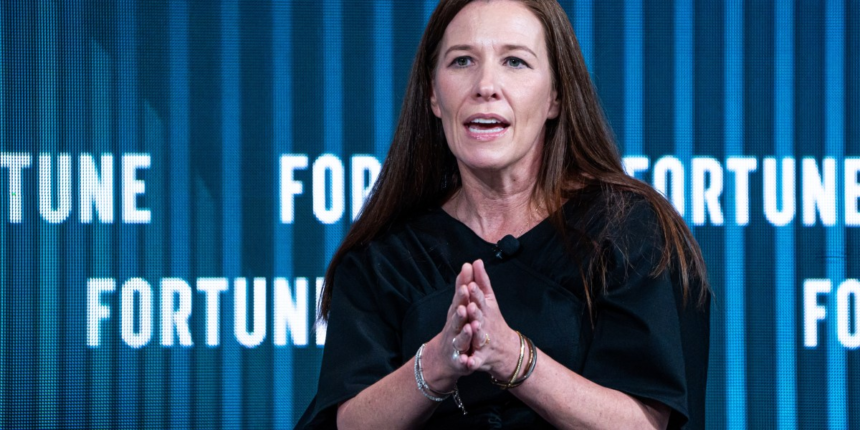
McLay’s departure from Walmart fits the dominant pattern. By exiting promptly while remaining to support a defined transition, she preserves both her reputation and her leverage. She leaves as an executive who was close enough to be seriously considered—not one who stayed long enough to be diminished by the process.