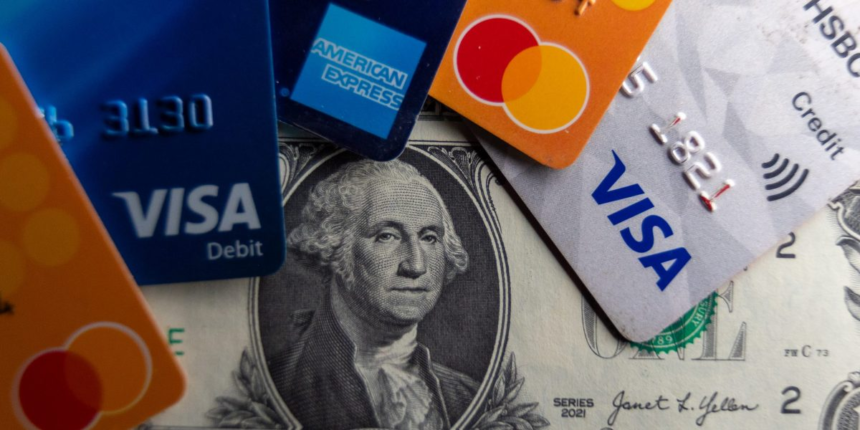
If anything comes of this, it will have big implications for a stablecoin market whose value is above $300 billion. For starters, the new partnership would accelerate the adoption of stablecoins throughout the retail payment system, where the trio of Visa, Mastercard, and Stripe already carry out a huge chunk of everyday transactions.
There’s also the question of what this means for Circle, whose flagship USDC token accounts for the majority of regulated stablecoin activity in North America and Europe. The chatter around the would-be consortium is about a stablecoin “platform,” but it’s a safe bet that Mastercard, Visa and Coinbase would use this arrangement to nudge their millions of merchant clients to use some sort of in-house token. Doing so would open up a stream of new revenue opportunities from reserve interest and more.
The biggest question, though, is whether any of this will happen in the first place. Based on my conversations, there is no formal deal as yet and perhaps not even MOUs. For now, the report of “talks” appears to be just that—and talks happen all the time in this business world. While a grand stablecoin bargain could go forward, history shows consortiums are harder than they seem. Just recall Facebook’s big Libra partnership plans in 2019 or R3’s scheme to build a blockchain coalition of banks a decade ago.
For the would-be stablecoin partnership, the companies will have to achieve a level of trust that is difficult for competitors, and also find a way to hammer out the details across multiple large corporate bureaucracies. And even in the laissez-faire Trump era, it seems likely that antitrust regulators would take a hard look at any plan by the world’s largest payment companies to go into business together. For now, though, it’s early days and it will likely be months before we hear more about this—if it goes anywhere at all.