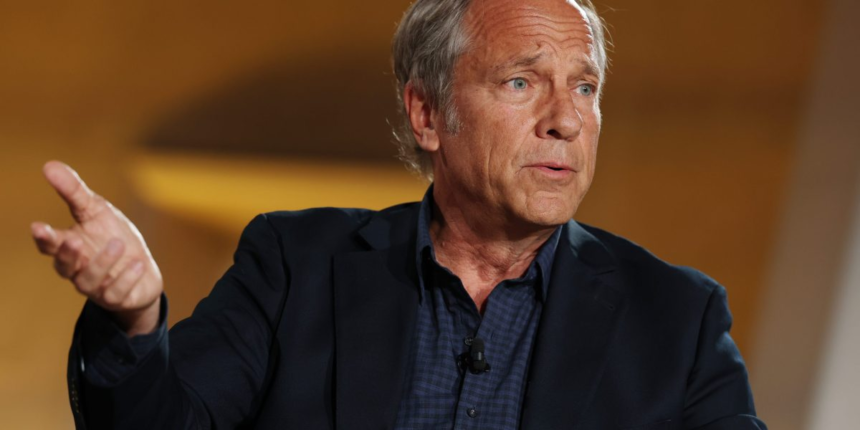
“Nothing in the history of western civilization has gotten more expensive more quickly than a four-year degree,” Rowe said. “It’s not to say it’s not valuable, but I mean nothing—not real estate, not healthcare, not energy.”
Simply put, “the kids are not alright,” Rowe said. “If I had an alarm bell, I would ring it.”
That mismatch has created a stark labor imbalance: too many young people chasing degrees, and not enough trained workers to fill critical, in-demand jobs.
Nowhere is that clearer than in parts of the economy tied to the AI boom, where skilled labor is commanding salaries that rival—or exceed—traditional white-collar roles.
But moving forward, Rowe said what’s emerging is a new reality where post-secondary education is no longer treated as one-size-fits-all—with skills becoming the clearer signal of opportunity.
“This is the trap and it’s so easy to fall into it,” he said. Blue collar versus white collar, shop class versus Brown or Dartmouth. Solar versus nuclear, wind versus fossil—bull crap. None of that, the color of collars is over.”
Rowe may be best known as a reality TV host—but his feeling about the need for skilled trade workers is being increasingly reinforced by the nation’s top CEOs.
BlackRock’s Larry Fink said in the panel with Rowe that AI will only expand the demand for skilled trade, but the education system hasn’t properly set young people up for success.
“These are skilled, well-paid jobs, and they are in short supply. You do not need a PhD in computer science to participate in this transformation.”