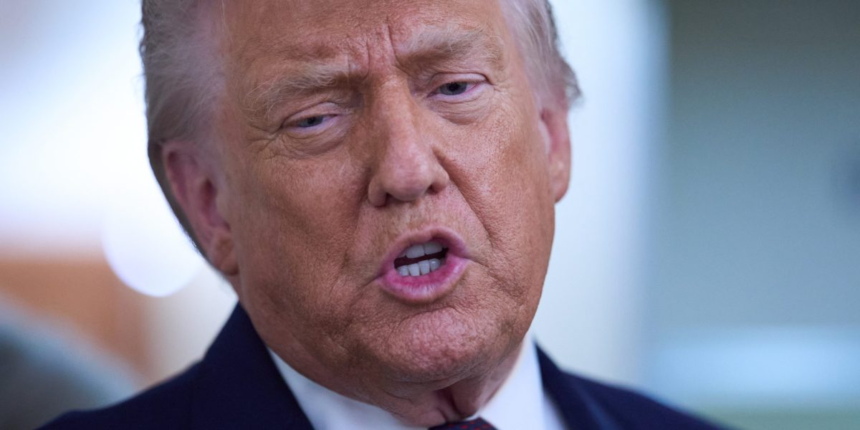
Trump said on social media that import taxes would be raised on autos, lumber and pharmaceutical drugs from South Korea with the rate on other goods going from 15% to 25%. The U.S. president previously imposed the tariffs by declaring an economic emergency and bypassing Congress, while South Korea needed legislative approval for the framework announced in July and affirmed during Trump’s October visit to the country.
“Our Trade Deals are very important to America. In each of these Deals, we have acted swiftly to reduce our TARIFFS in line with the Transaction agreed to,” Trump said. “We, of course, expect our Trading Partners to do the same.”
South Korea’s presidential office responded in a statement that the U.S. hasn’t officially informed it of the tariff hike plan.
It said South Korean Industry Minister Kim Jung-Kwan, who is currently visiting Canada, will soon travel to the U.S. for talks with Secretary of Commerce Howard Lutnick.
The statement said Kim Yong-beom, the presidential chief of staff for policy, will convene a meeting to discuss Trump’s announcement.
Monday’s announcement of new tariffs fits a pattern in which Trump plans to continue to deploy tariffs, possibly to the detriment of relations with other countries.
Trump has bragged about his trade frameworks as drawing in new investment to the U.S., yet many of his heavily hyped deals have yet to be finalized. The European Parliament has yet to approve a trade deal pushed by Trump that would put a 15% tax on the majority of goods exported by the EU’s 27 member states.
The United States is poised this year to renegotiate its amended 2020 trade pact with Canada and Mexico. There are also ongoing Section 232 investigations under the 1962 Trade Expansion Act, as well as an upcoming Supreme Court decision on whether Trump exceeded his authority by declaring tariffs under the 1977 International Emergency Economic Powers Act.