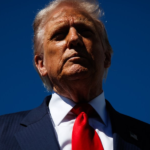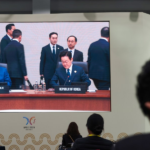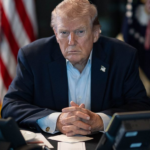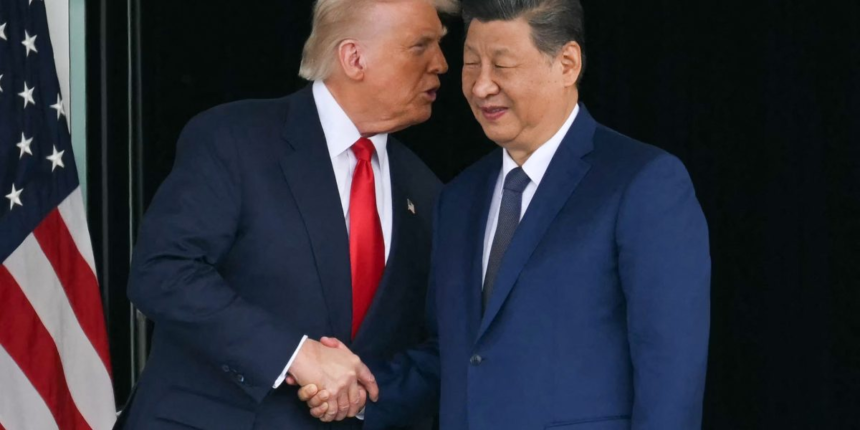
Good morning. Asia editor Nick Gordon here, filling in for Diane. I spent most of last week in the quiet Korean town of Gyeongju, host to world leaders and business tycoons as part of the APEC Summit. Many on-site were paying close attention to U.S. President Donald Trump and Chinese President Xi Jinping’s “amazing” meeting in nearby Busan, and the resulting truce in their renewed trade war.
“It seems to be a solid step forward,” Yangbin Wang, CEO of Silicon Valley-based software company Vobile, told me, pointing to “some pragmatic compromises to reduce their conflicts.”
Investors may have been disappointed by the lack of a grand bargain, but Trump will get another chance to push relations forward when he travels to China in April. “The practice of statecraft is never a one-off thing,” Pradeep Philip, Deloitte’s chief economist, tells me. Here are some takeaways for leaders after a whirlwind week:
Multilateralism isn’t dead: Despite the rhetoric out of Washington, APEC delegates were mildly optimistic about the future of trade. China wasn’t the only U.S. trade agreement solidified last week: Trump firmed up agreements with Japan, South Korea and several ASEAN nations.
And even if the U.S. isn’t engaging other governments on trade, other countries are. They’re looking to diversify their economies, says Todd Handcock, Asia executive chair for the Collinson Group. “You see a lot happening right now between the ASEAN countries. Koreans and Japanese are having deeper conversations than maybe I would have seen in past conferences.”
Energy is top-of-mind: Energy, whether renewable or non-renewable, was a big conversation topic at APEC this year, including a Trump shout-out to “clean, beautiful coal” during his address, thanks to AI’s massive hunger for energy.
Cho’s not alone. Deloitte’s APEC CEO survey, unveiled during the conference, reports that almost 60% of APEC leaders plan to invest more in sustainability this year, up from 29% last year.