Obvious question: If the economy is at least okay, why do millions of Americans think it’s terrible? The answer is that our brains are not hard-wired to think like economists. We are hard-wired for survival, so we pay far more attention to bad news, and we remember it much longer, than good news. For example, the towering levels of inflation in the early 1980s traumatized consumers for years. By mid-1985, inflation had dropped from its peak of 14.8% in 1980 to just 3.8%, yet Gallup polling indicated that some 20 million adults considered inflation “the most important problem facing the U.S.”
That wasn’t a fluke. Researchers have found that we’ll pay twice as much to avoid a bad outcome as we’ll pay to receive a good outcome that is quantitively the same. The possibility of a bad outcome looms larger in our minds, which is why we remember bad outcomes longer. Last year the prices of beef, dairy, coffee, shoes, clothing—basic needs—rose by double-digit percentages, and voters are likely to remember that pain regardless of where prices go next or how much GDP might increase. By contrast, consider how we feel about costs of certain other basic needs for many people: gasoline and propane. Those prices declined last year. Ask your friends if they knew that.
As a potential preview of this year’s elections, consider President George H.W. Bush’s 1992 run for reelection. A brief, mild recession had occurred in his term and ended 19 months before Election Day. When campaigning season arrived, he told voters the economy was booming, and he was correct. His opponent, Bill Clinton, famously told voters, “I feel your pain,” and he won. He spoke to the most powerful part of the human brain.
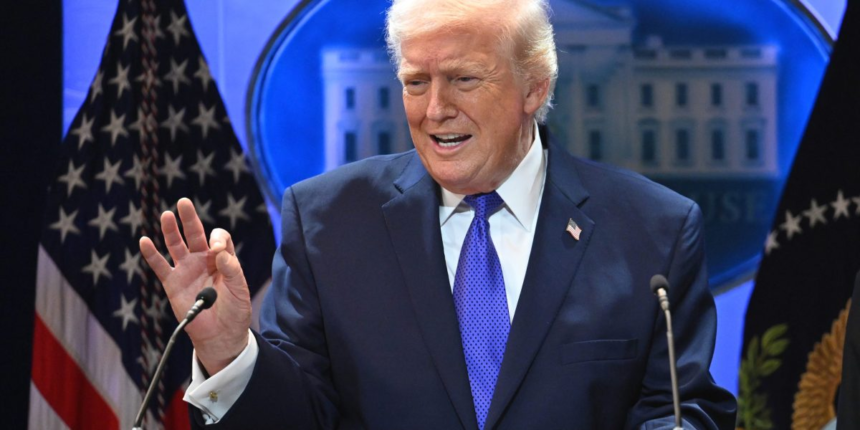
Of course, Trump isn’t on the ballot this year, and last year there was no recession. Much will happen before Nov. 3. But experience suggests a strategy of telling voters the U.S. economy is the greatest in history, when their hard-wired brains tell them otherwise, will be a hard road to keeping control of Congress.