Top consulting and venture capital leaders say the idea learning ends after college is outdated in today’s AI-driven economy.
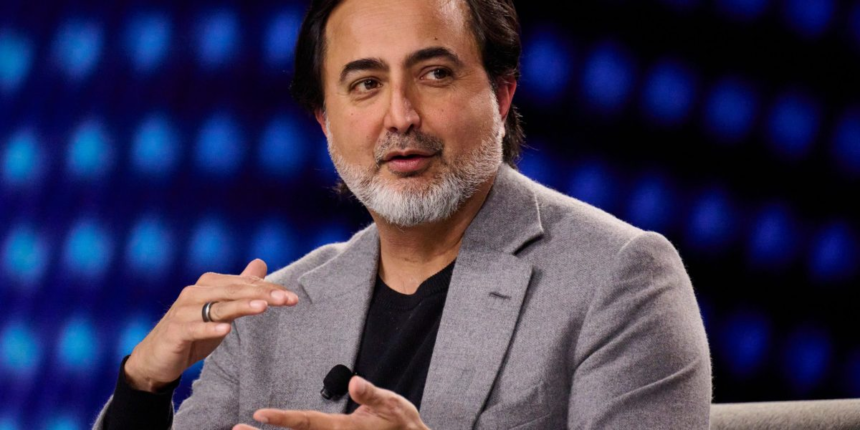
While many assume formal learning is limited to a bachelor’s or master’s degree, both the CEO of VC firm General Catalyst, Hemant Taneja, and McKinsey’s top executive, Bob Sternfels, say that’s not the case anymore.
“This idea that we spend 22 years learning and then 40 years working is broken,” Taneja said.
Yet, in a workplace where AI agents can be trained quicker than employees, workers don’t only need knowledge, they must find ways to stay relevant, said host Calacanis, who himself made early investments in trading app Robinhood and Uber.
McKinsey will have just as many AI agents as it has human employees by the end of the year, Sternfels said. Currently, its human employees outnumber AI agents 40,000 to 25,000.
“Our model has always been synonymous that growth only occurs with total head count growth. Now it’s actually splitting,” Sternfels said. “We can grow in this part, the client-facing side, and we can shrink in this part and have aggregate growth in total.”
McKinsey’s stark results from incorporating AI agents play to the heart of workers’ fear about how AI will disrupt their jobs as adoption increases. Some could argue young workers have a right to worry.
As Sternfels and Taneja said, the added pressure of AI means learning and evolving is more essential than ever. Yet, some have pushed back on the idea that more AI means entry-level workers don’t matter.