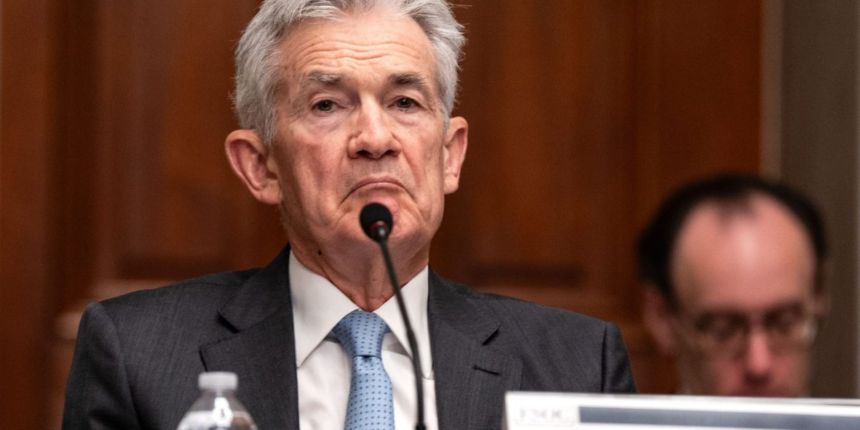
The Federal Reserve held rates steady Wednesday for the second meeting in a row as the war in Iran clouds an already murky economic picture. In its statement, the Fed acknowledged the war, but kept its language cautious, saying the economic implications of the Middle East conflict remain “uncertain.”
The decision was nearly unanimous, save for Stephen Miran, the Trump-appointed governor, who cast his fifth consecutive dissent in favor of a quarter-point cut. But the rest of the committee opted to sit tight, citing elevated uncertainty on both sides of the Fed’s dual mandate: inflation that won’t come down and a labor market that shocked economists with its slackness last month.
The conflict in Iran, now in its third week, has thrown a wrench into whatever plans the Fed and its watchers had for 2026. Brent crude jumped above $109 a barrel Wednesday, up from around $72 before the fighting started, while gas prices have surged nearly $1 per gallon nationwide since the war began.
Higher oil costs put the Fed in a bind because they have both depressing and inflating effects. High costs of energy function like a tax on consumers, dragging on growth, but they also feed directly into inflation—exactly the problem the Fed has been trying to solve for years.