For the average 20-something in 2026, morning rituals might involve coffee, eggs, and an ever-spiraling digital “pit of despair.”
“I mean, it all adds up,” Dutton told Fortune. “I felt like I could just allocate those funds to better resources than subscriptions that I really don’t even want to begin with.”
Dutton isn’t alone. Subscription-based streaming services have come off their peak during the pandemic years, and young Americans in particular are staging a quiet coup against the subscription economy.
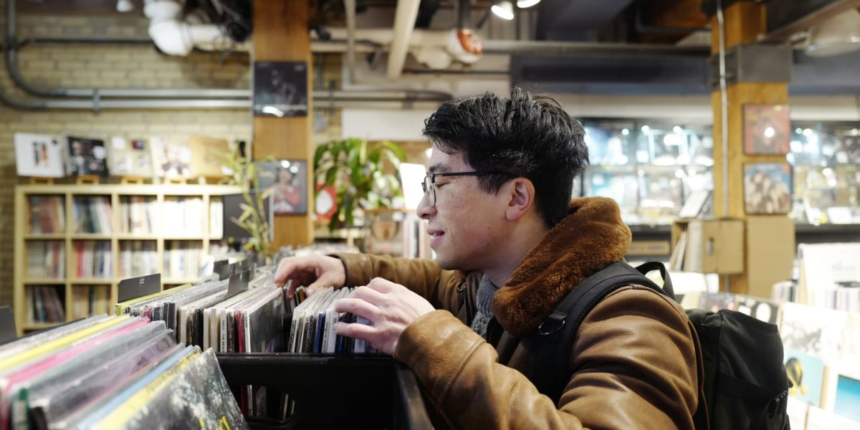
Many are now trading their basic-tier, ad-ridden interfaces for the clunky, scratchy, and strangely beautiful world of physical media. From the neon-lit aisles of independent video stores to the vinyl-covered walls of starter apartments, Gen Z is leaving convenience behind to finally hold onto something that’s theirs.
The financial burden is one thing, but for many Americans, subscription ubiquity has come to represent all the ways modern-day America makes ownership of anything difficult. Even buying a digital copy of a movie or a TV show isn’t true ownership, as what users are actually purchasing is a revocable license to watch it that can be removed if the streamer loses distribution rights.
“Anything that’s digital is never yours,” Rodriguez told Fortune. “Amazon’s not going to come into your house and take your DVD movies. They’re yours forever.”
This isn’t just a trend for nostalgic middle-aged collectors; Gen Z are the ones leading the charge.
Just take a look at the corner of an intersection in northeast Los Angeles, where a historic cinema has become the life of the neighborhood in recent years. In 2023, the site opened as a new location of Vidiots, a non-profit that is part video rental store, movie theater, and community gathering place. When Robbie McCluskey, director of the video store and the non-profit’s volunteer program, started working at Vidiots in 2013, the average renter was 50 or over. Now, he says, the store is swarmed by people in their mid-to-late 20s.
“It doesn’t seem like it’s a fad to me at all,” McCluskey told Fortune, pointing out that his shop now rents out over 1,000 movies a week—a number higher than even their busiest periods in the early 2000s. For these young cinephiles, browsing the aisles of a physical store has become a social ritual. Instead of turning to an algorithm, all they have to go on are human recommendations and the tactile, imperfect joy of holding a disc.
Streaming probably won’t disappear any time soon—it’s too convenient for too many people, McCluskey said, and few young Americans live in a place with a video rental store and youth community center rolled into one. But for a generation that has spent their entire lives being entertained by an algorithm, popping a disc into a player, sitting back, and knowing that their viewing experience won’t be interrupted by slow Internet seems almost radical.
“I think it’s pretty cool that people are giving a damn about physical media again,” Dutton said in his video. “It looks like physical media is here to stay.” Or, at the very least, it won’t whisk away $20 for a subscription you forgot about to watch a show you’ve already seen five times.