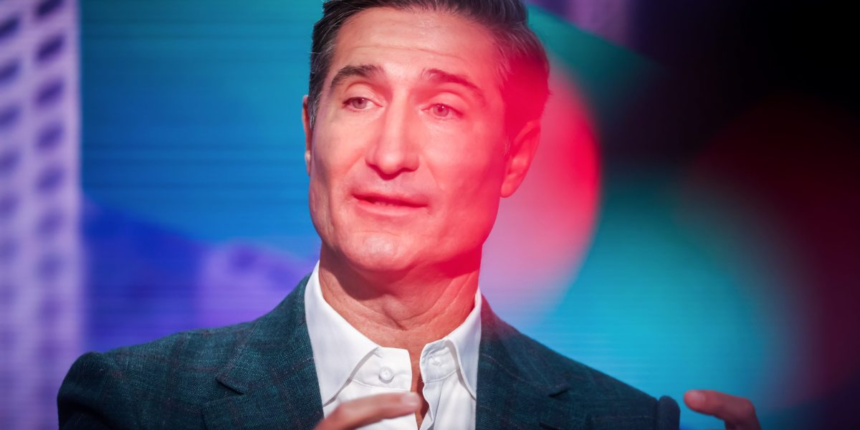
“In some cases, you know, a $9 experience does feel like you’re splurging. And then, what that means is we have to make it worthwhile, right?” he said on the podcast. “And then in other cases, certain people believe, ‘Well, this is a really affordable premium experience.’ Because they’re saying like, ‘Well it’s less than $10 and I get a really premium experience.’”
Niccol pointed out that though a traditional cup of coffee starts at around $3, customers can “build your way into all sorts of customized drinks that people love that move that ticket up.” Add in food and other add-ons, and the average purchase at Starbucks comes out to about $9. When asked whether the company is seeing the effects of economic inequality in its sales, Niccol said, “we’re not seeing that in our business.”
“So, regardless of where you’re stationed in those income cohorts, we want to make that experience worth your while,” he continued. He framed the company’s pricing strategy around perceived value rather than discounts. “The way we’re going to play the value game is, you’re going to feel like it was worth it,” Niccol said. “And it’s not going to be a game of discounting or one-off promotions.”
Starbucks reported second-quarter fiscal 2026 revenue of $9.5 billion, up 9% year-over-year, marking the first time in more than two years that the company has delivered growth on both the top and bottom line. Adjusted earnings came in at 50 cents per share, up 22% from a year ago, crushing the analyst consensus of 43 cents. Revenue of $9.53 billion cleared the original $9.16 billion Wall Street estimate.
These results were fueled by investment in local coffeehouses, a spokesperson for the company told Fortune. The company spent about $500 million reinvesting into its stores: adding staff at peak hours and increasing training for baristas, as well as making store upgrades.
Niccol called it “a milestone for the business” on the earnings call. “Our second quarter marked the turn in our turnaround,” he said. The stock is up about 24% year-to-date. And as a result of the earnings, Starbucks now expects global comparable sales growth of 5% or better, up from its prior forecast of 3% or better.
On the earnings call, Niccol addressed the import concerns head-on, adding the company sources coffee from 28 countries and has a team navigating their tariff exposure by shifting production to alternate sites.
Despite the online criticism regarding the average Starbucks purchase, it seems to be driving sales up. With earnings showing a 2.3% increase in the average ticket price, Starbucks’ strategy may be making the internet mad, but it’s working.