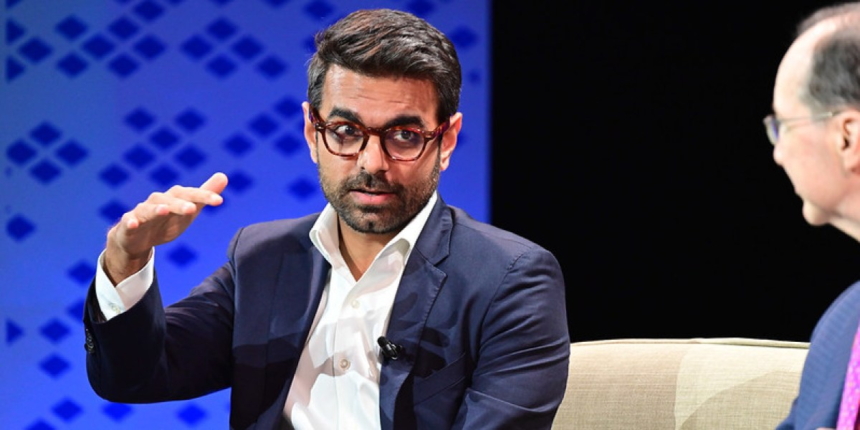
China’s progress with open-source models could pose a problem for the U.S. in the global AI arms race, according to Anjney Midha, a general partner at Andreessen Horowitz.
“The reality is that if you look at the most powerful models that are open source today—outside of Mistral from France and a couple of models that are small, specialized models from the U.S.—it’s really China’s game right now. And I think that’s not a particularly encouraging picture,” he added.
China’s progress in the open-source arena is largely down to DeepSeek, the Chinese startup behind the R1 model. It sparked a sharp sell-off in American tech stocks at the start of the year after investors realized that the model was built at a fraction of the cost of frontier U.S. models, but outperformed or matched several of them in key benchmarks.
R1’s popularity and other recent advancements from the company have demonstrated China’s prowess in AI innovation and intensified concerns in Washington over how open-source development could shift the global balance of power.
“Researchers who have the skill set to push the frontier should be spending their time on pushing the frontier of capabilities, not on navigating 50 different pieces of legislation,” he said. “I think what you’re going to see as a result of all that freed mind space of these entrepreneurs and scientists is that three, four, or five months from now, you’re going to start to see a wave of open-weight models from American labs.”