A new bipartisan nonprofit hopes to ensure that America can realize the economic gains promised by AI without its workers suffering.
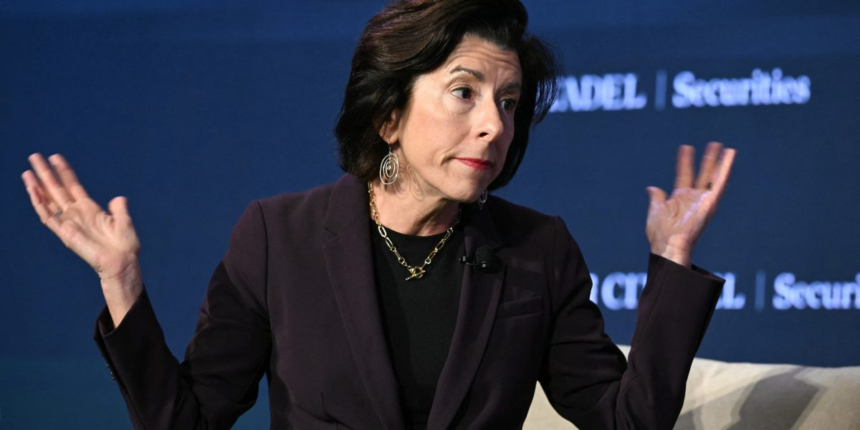
“We’re talking about a certain level of unemployment that could destabilize our country and our democracy,” Raimondo said in an interview. “If you want to lead the world in AI, you have to take action to make sure our democracy doesn’t crumble.”
The nonprofit is initially partnering with officials in Arkansas, Connecticut, Maryland and Utah, along with several of America’s largest companies and charitable organizations. The group intends to develop policies that connect schools more closely to employers, so that layoffs can be replaced by the potential for new jobs with higher incomes. They also are exploring changes to corporate taxes and other incentives with the goal of keeping people working.
“Good things tend to happen when you convert have-nots into haves,” Holcomb said.
Raimondo, the former Democratic governor of Rhode Island who played a formative role in setting AI policy as the Biden administration’s commerce secretary, will be the nonprofit’s CEO.
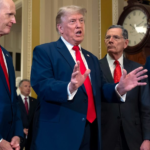
“We have, right now, so many jobs that are going to be available and the biggest problem we have is getting the people,” Trump said. “So we’re really doing spectacular.”
AI experts have warned of gaps between the transformations that AI could create and a 20th century social safety net of unemployment insurance and four-year college that seems ill-prepared for the scope, scale and speed of the change.
Ming said that she agrees with an argument by economists that the wealth generated by AI could create demand for more workers that could offset any job losses. But she said the skills that matter in an AI economy go beyond professions such as plumbing or construction and involve curiosity and intellectual flexibility.
“Neither our education system nor our labor policies are building the foundational human capital that AI-era work actually requires,” she said.
Raimondo said the new nonprofit wants to use states as a vehicle for testing ideas that Congress can later embrace as policies, paving the way for the possibility of more profound changes to both the tax code and the educational system.
“I don’t have a lot of hope for bold action by Congress in the next few years on this issue, and I don’t think we can wait a few years,” she said. “I also think there are many examples in history that when the federal government does take action, they will look around at what has been working in states. I feel pretty confident that they will look at the work that we’ve done.”