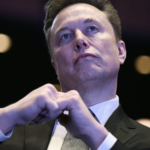
Musk, for his part, predicted work would be optional in the future, comparing jobs to sports or video games. “If you want to work, you know, in the same way, you can go to the store and just buy some vegetables or you could grow vegetables in your backyard,” he said.
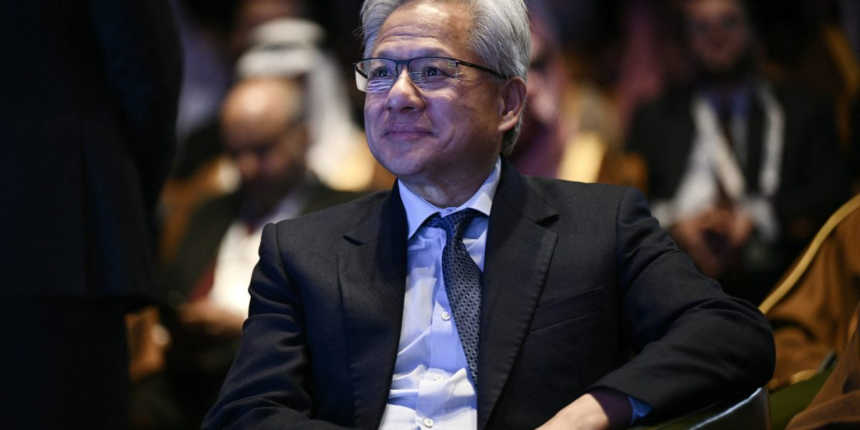
Huang, on the other hand, argued that productivity gains won’t erase work—they will create more of it.
“I would say that there’s every evidence that we will be more productive and yet still be busier because we have so many ideas,” he said. “It is my guess that Elon will be busier as a result of AI. I’m going to be busier as a result of AI.”
Huang alluded to companies embracing AI-driven radiology as an example. As AI made image analysis more efficient for workers, it left them more time to read more scans, handle more images, and spend time with patients. Huang said that translated into job growth.
“The prediction that all radiologists would be the first jobs to go was exactly the opposite,” he said.