On March 25, Trump said at a news conference that he would “love to” defund NPR and PBS because he believes they are biased in favor of Democrats.
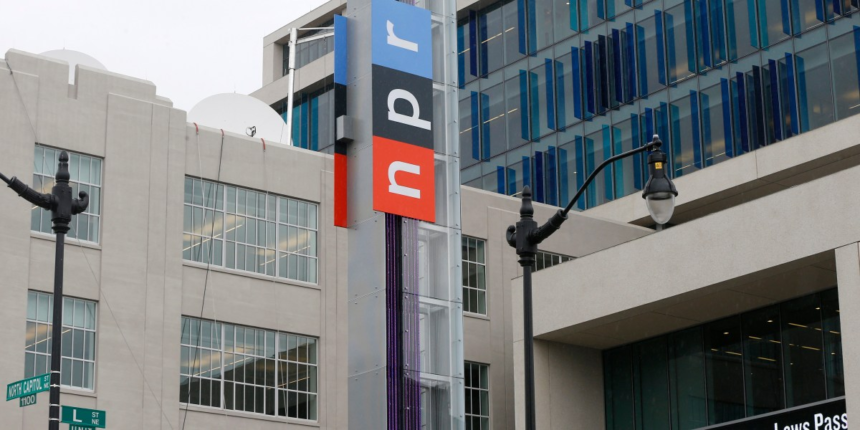
NPR accused the CPB of violating its First Amendment free speech rights when it moved to cut off its access to grant money appropriated by Congress. NPR also claims Trump, a Republican, wants to punish it for the content of its journalism.
On April 2, the CPB’s board initially approved a three-year, roughly $36 million extension of a grant for NPR to operate the “interconnection” satellite system for public radio. NPR has been operating and managing the Public Radio Satellite System since 1985.
On May 1, Trump issued an executive order that called for federal agencies to stop funding for NPR and PBS. The settlement doesn’t end a lawsuit in which NPR seeks to block any implementation or enforcement of Trump’s executive order. U.S. District Judge Randolph Moss is scheduled to preside over another hearing for the case on Dec. 4.
The settlement says NPR and CPB agree that the executive order is unconstitutional and that CPB won’t enforce it unless a court orders it to do so.
NPR, meanwhile, agreed to drop its request for a court order blocking CPB from disbursing funds to PMI under a separate grant agreement.
Katherine Maher, NPR’s president and CEO, said the settlement is “a victory for editorial independence and a step toward upholding the First Amendment rights of NPR and the public media system.”
Patricia Harrison, the corporation’s CEO, said CPB is pleased that the litigation is over “and that our investment in the future through PMI marks an exciting new era for public media.”
On Aug. 1, CPB announced it would take steps toward closing itself down after being defunded by Congress.