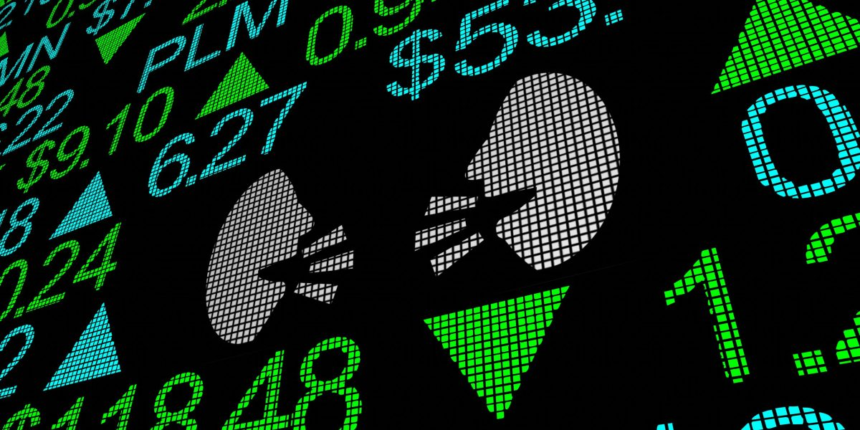
Roughly $580 million worth of oil futures changed hands in a single minute early Monday morning, only about 15 minutes before President Trump posted on Truth Social that the U.S. had been engaged in “productive conversations” with Iran to end the war.
Now Nobel Prize-winning economist Paul Krugman is calling what he sees: treason.
Rory Johnston, an oil market analyst, said the pattern has been hard to ignore even without a smoking gun.
“Everyone—every analyst, every oil trader—has been questioning downward pressure on prices,” he told Fortune. He added that whether or not there’s been direct market manipulation by Washington, the administration’s jawboning has spooked participants out of trading where physical fundamentals would otherwise push prices. “I think that probably goes a long way towards it.”
The White House did not immediately respond to Fortune’s request for comment.
Krugman argued that insider trading on national security decisions is illegal for reasons besides unfairness: it presents a strategic vulnerability. Trading on classified information effectively broadcasts government plans to foreign adversaries, he wrote, adding that “who needs to bribe agents within the government” when you can infer the same intelligence from futures markets.
He also raised an unsettling question: whether the possibility of insider profits may be influencing the policy decisions themselves.
“Are decisions about war and peace in part serving the cause of market manipulation rather than the national interest?” he wrote. “If you dismiss this as unthinkable, you just haven’t been paying attention.”
As for whether insiders are profiting from advance knowledge of policy announcements, Johnston said it “would not surprise me,” but but stressed he didn’t have direct evidence.