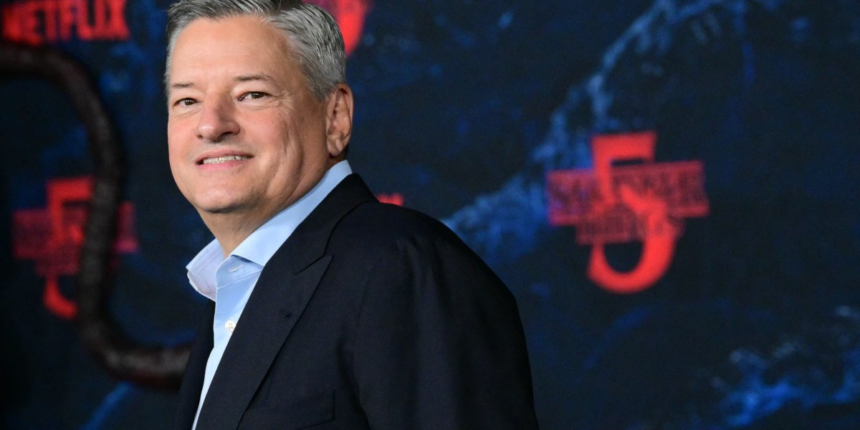
Instead, the Netflix acquisition of Warner Brothers will create an entity that would dominate the media industry. This year, Netflix announced its largest-ever subscriber increase to over 300 million users, making it the largest Subscription Video on Demand (SVOD) service in the U.S. and the world.
On the same day it released its subscriber increase it also announced a price hike. If this is any indication of what Netflix does when it has increased market power, consumers can expect higher subscription prices in a less competitive market.
The streaming giant’s recent dispute with Hollywood writers, which ended with a $42 million settlement, seems to confirm Netflix’s pivot away from investing in new content. One industry analyst opined that “a Netflix purchase of Warner would be a death knell for some of the movie business’s most important aspects, properties, and long-held traditions.”
The merger between Warner Brothers and Netflix threatens to push the industry past a dangerous tipping point: The combined company would command about 30 to 40 percent of the market, giving it enough power to dictate the terms of engagement to consumers, content creators, and distributors alike.
The effect on the market could be significant, with some market analysts fearing that it would put an end to the so-called streaming wars. That’s hardly positive news for consumers, who reap the benefits of more content, greater innovation, and lower prices when companies have to compete for viewers.
The downstream impacts of the merger are also problematic for the market: A Warner Brothers acquisition would allow Netflix to exert its newfound power over theaters (it has a notorious reputation for refusing wide-release feature films), writers and creative directors, and the entire entertainment industry ecosystem that relies on the entertainment industry. Director James Cameron, a major player in the market, warned that a merger with Netflix would be a “disaster.”
The increased power the acquisition of Warner would give Netflix is not lost on federal trust busters: Senior White House officials raised concerns last month that a merger with the streaming giant could stifle competition and suggested that the FTC would be compelled to initiate an in-depth investigation of the transaction.
Open markets and robust competition drive innovation, which helps keep prices low, but when a handful of firms dominate an industry, competition disappears. Big Tech’s power has already shown us what happens when companies become “too big to challenge,” and Big Media seems to be intent on replicating that playbook.
The purpose of antitrust law should not be to regulate innovation out of existence, but to ensure that markets remain open, competitive, and aligned with the interests of consumers and the broader economy.
Warner Brothers’ leadership may believe that it is getting the best deal from Netflix. But the merger will surely face intense regulatory scrutiny, and for good reason—it would do a disservice to American consumers.
The opinions expressed in Fortune.com commentary pieces are solely the views of their authors and do not necessarily reflect the opinions and beliefs of Fortune.