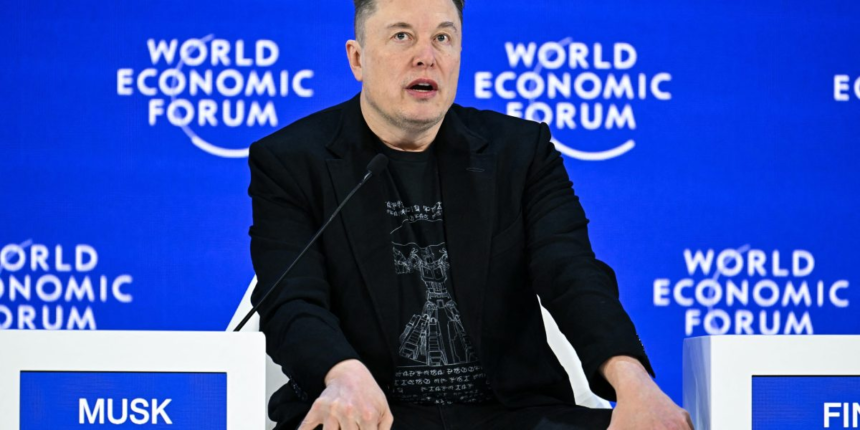
He has said little else about what this vision of universal income would look like, but as AI gains momentum in the workplace, other global leaders are beginning to see it as a compelling option to address how automation is disrupting the labor force.
“Undoubtedly we’re going to have to think really carefully about how we soft-land those industries that go away, so some sort of UBI, some sort of life-long learning mechanism as well so people can retrain,” he said.
“I think of the productivity gains and the wealth that AI can create, but we also need to think of the more pernicious and near-term danger that it just embeds inequality and makes a really small cohort of super-wealthy elites even wealthier because they control the capital and the technologies,” he explained.
“AI isn’t a substitute for specific human jobs but rather a general labor substitute for humans,” he wrote.
The results of these pilots suggest that providing individuals, usually low-income ones, with a series of consistent payments results in greater spending on basic needs and spending on others, with participants continuing to hold jobs.
Ioana Marinescu, an economist and associate professor of public policy at the University of Pennsylvania, said universal basic income could be a pragmatic solution to addressing AI job displacement, especially given the uncertainties around how many people will lose their job due to AI, and for how long they will be out of work.
“Essentially, I’m worried that people who benefit from AI, after the fact, are going to say, ‘Well, why do we have to pay for all these people’s problems?’” Marinescu said. “But right now, we don’t yet know exactly who wins, who loses.”