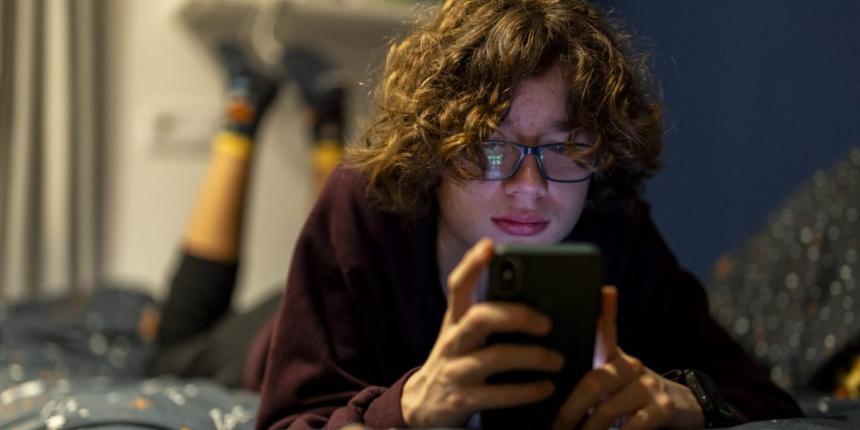
If teenagers have a will, they will find a way.
As Australia looks to crack down on tech platforms to improve the efficacy of its ban, it is facing increased concern from advocates about how—and whether—these restrictions work.
“What we can say right now about the research is that we know the effects differ pretty significantly across adolescence,” Nesi said. “So the effect of social media, unsurprisingly, depends on how it’s being used.”
Because it is incomplete and relatively new, data on the impact of adolescents’ social media use remains just one driver of policy, Nesi argued. Legislation such as Australia’s social media ban are also dictated by values and practical restrictions not always reflected in studies.
“What will work? What makes sense?” she asked. “What do we believe is important as a society, versus, This is something that the research can give us a very straightforward and clear answer on?”
Though efficacy of Australia’s ban has been disputable and data on social media’s risks and harms intricate, the restrictions are not necessarily for naught, Nesi noted.
“It doesn’t mean that it’s the wrong choice,” she said. “It just means that the way that it’s being implemented right now isn’t working.”
According to Nesi, if advocates and legislators want social media bans to stick, they have to consider why children access social media to begin with and design interventions that meet those needs or desires—such as for autonomy, exploration, or entertainmen—elsewhere.
“Any policy that aims to get their social media use needs to be looking at what the alternatives are going to be for teens,” she said. “What else are we providing? What other options and opportunities do teens have to meet those needs for autonomy, independence, belonging, and socialization offline?”