Good morning. Fortune 500 companies are already experimenting with blockchain, but many CFOs are still hesitant to move real money on-chain.
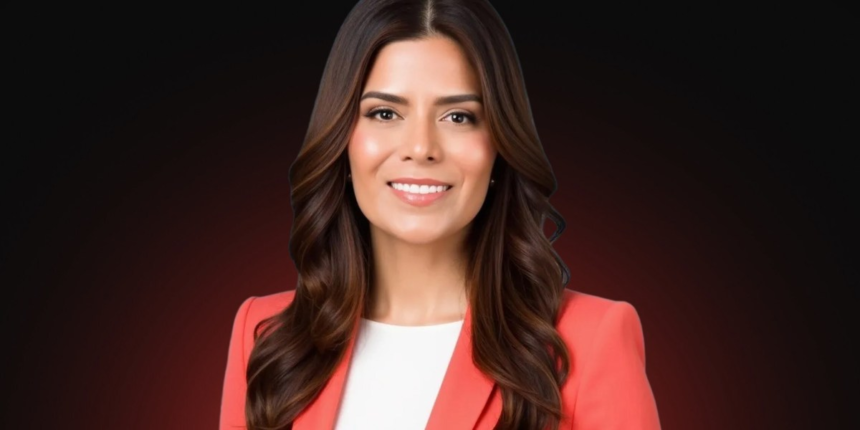
That topic came up in my conversation with Betsabe Botaitis, the new CFO of P2P.org, a company that helps large institutions earn returns from crypto assets.
P2P provides the behind-the-scenes technology, such as servers and security systems, that lets institutions earn rewards from cryptocurrencies like Ethereum and Solana. Normally, companies would need to run their own systems to do this, but P2P handles it for them. Founded in 2018, the company now supports more than 40 blockchain networks and works with banks, exchanges, digital wallets, and custodians.
Botaitis describes the company’s offering as “full-stack yield infrastructure.” This means helping institutions earn returns across different types of digital assets—not just one—while also giving them the tools they need for risk management, reporting, and compliance.
She explains that P2P started with basic infrastructure and is now expanding to serve institutions that want more complete solutions.
Most recently, she was CFO and treasurer at Hedera, a blockchain network designed for enterprise use. There, she managed large budgets and digital assets, led the organization’s first financial audit, and built systems to meet regulatory and institutional standards.
“The infrastructure exists,” she said. “The question is whether your organization is building the internal knowledge and partner relationships to move when your board is ready. The firms doing that work are already in conversations that others will have to catch up to.”
CFOs are looking for the same things they expect from any business partner: proven reliability, strong operations, and systems that fit into their existing risk frameworks, Botaitis said.
One major concern is regulation. P2P’s structure helps address this, she said.
“As CFO, my mandate is making sure our financial governance meets the standards institutional clients expect from any counterparty they put in a risk memo,” she added.
She frames the company not as a risky crypto bet, but as a reliable infrastructure provider—similar to a traditional vendor that would go through standard due diligence.
For CFOs still unsure about blockchain, her hiring sends a signal: the people building crypto infrastructure increasingly come from the same traditional finance backgrounds they trust.
Have a good weekend.