Harvard University will undertake a new investigation into its ties to Jeffrey Epstein after correspondence between the late sex offender and the school’s former president was made public by US lawmakers.
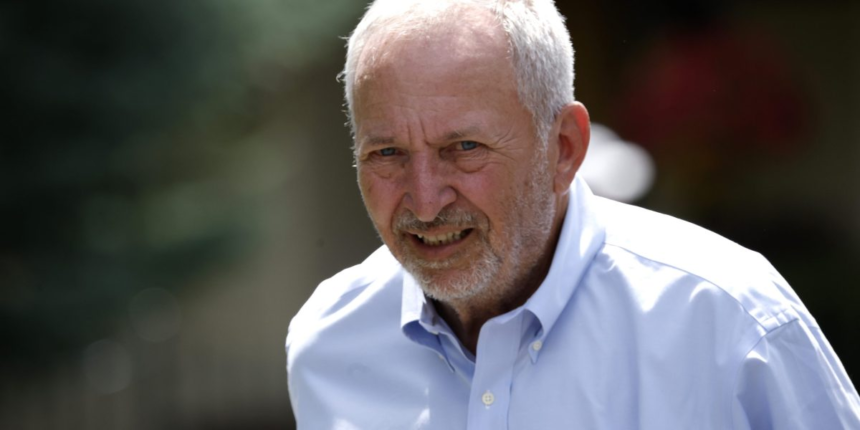
Following the disclosure, former Harvard President Larry Summers said earlier this week that he would step back from public commitments. Summers, who remains a Harvard professor, said he would continue to fulfill his teaching duties.
“The university is conducting a review of information concerning individuals at Harvard included in the newly released Jeffrey Epstein documents to evaluate what actions may be warranted,” a spokesperson for the school said in a statement.
The probe ramps up the pressure on Summers, 70, as he nears the twilight of one of the most prominent careers in American economics, an arc that includes prize-winning research and a stint as US Treasury secretary. Earlier this week, Summers said he was “deeply ashamed” of his actions and took responsibility for “my misguided decision to continue communicating with Mr. Epstein.”
The House Committee on Oversight and Government Reform last week released 20,000 documents from Epstein’s estate. The disclosure by House Democrats included exchanges between Epstein and many high-profile figures, including former Trump adviser Steve Bannon and Peter Mandelson, who was fired earlier this year from his post as the UK ambassador to the US.
The documents included emails in which Summers discussed President Donald Trump with Epstein, who died in prison in 2019 after being arrested on charges of sex trafficking minors. His death was ruled a suicide.
Summers was made a tenured professor at Harvard at 28 and won the John Bates Clark Medal given to outstanding American economists under age 40. He resigned as president of Harvard in 2006 after clashing with faculty, including after commenting that innate differences in sex kept women from flourishing in math and science careers.
He later became a critic of the school’s response to accusations of antisemitism on campus and argued that Harvard needed to reform, even as he disagreed with the Trump administration’s interference in higher education. Summers served as Treasury secretary from 1999 to 2001 under former President Bill Clinton.