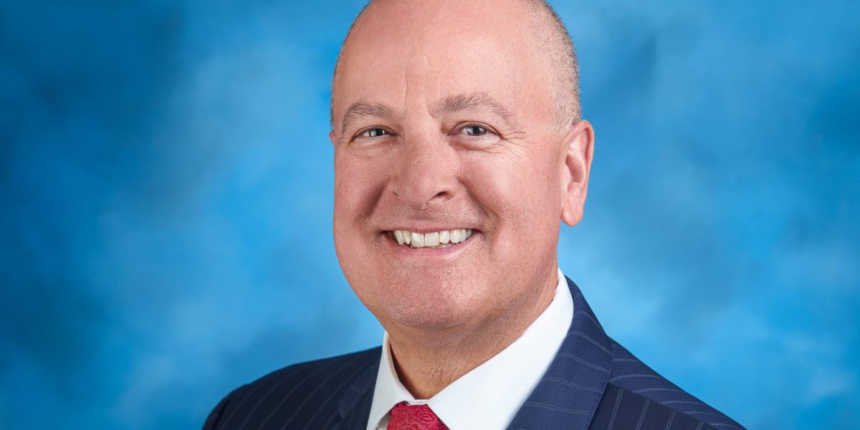
“What we created here since I took over as CEO is a completely revamped way of hiring our veterans and military spouses,” the company’s CEO, Juan C. Andrade, tells Fortune. “This is not just for the benefit of USAA—this is for the benefit of the military community.”
Around half of veterans ditch their initial post-military jobs within the first year, according to the Department of Defense’s Transition Assistance Program, and USAA’s CEO believes a lack of thoughtful transition services is largely to blame. When colonels, generals, and sergeants leave behind their high-powered jobs, Andrade says some struggle to adapt both emotionally and skills-wise.
While businesses are required to re-employ former employees who return from military duty per U.S. federal law, those stepping into civilian roles for the first time often need a helping hand. And even before they exit the military, the careers of their partners tend to suffer.
“While there’s a lot of organizations that are very well-meaning and do some very good work, the approach has been fragmented,” Andrade explains. “The problem with private sector companies is [if they] have not had that experience of service, or if they don’t have a large population of employees that serve, it’s very difficult to understand the fact that they’ve lost their tribe. The fact that, in a lot of ways, they’ve lost their sense of belonging to something greater than self.”
In stride with Honor Through Action, USAA also launched two 18-month fellowship programs designed to transition military personnel into full-time company positions: Summit and Signal. In three six-month rotations, participants cycle through different parts of the financial services giant to find the best fit. The future leadership track, Summit, rotates fellows through departments including business strategy, operational planning, and product ownership. Starting anew can be isolating, so USAA is ensuring that military personnel are not walking these career paths alone—veterans are connected to mentors every step of the way.
“Those 18 months are incredibly important, because it goes to show you: What is it that you can do? How does a private company actually work? What is it that you do on a daily basis?” Andrade says. “They get one-on-one mentorship and support every step of the way with people that have already walked in their shoes and been successful, so all of that helps.”
“We’re always looking for people who have the expertise and skill sets in data science or data engineering,” Andrade continues. “As they retire from the Air Force, the Army, the Navy, we bring them into a specialized program focused on their skills and how they can help us from technology experience.”
Even when they’re not deployed, U.S. military personnel are battling wars at home—depression, financial insecurity, and homelessness. But one group is often ignored in the fight: their spouses. The husbands and wives of military personnel face sky-high unemployment rates and long-term instability due to the nature of their partners’ jobs. But Andrade recognizes them as an overlooked and underutilized pool of professionals.
“Military spouses are an incredible source of talent—they’re literally the CFO and the CEO of their home,” USAA’s CEO says. “When their spouses are deployed, when there’s a permanent change of station for their spouse, they have to leave their job. And if they don’t have that flexibility, then you know that’s why the unemployment rate is so high.”
“We can offer a lot of flexibility… Having that level of empathy and understanding becomes very critical,” he says. “This is where we hope—with Honor Through Action—to be able to help companies understand the value that [military spouses] have, but also why you need to treat them a little bit differently given their personal situation.”