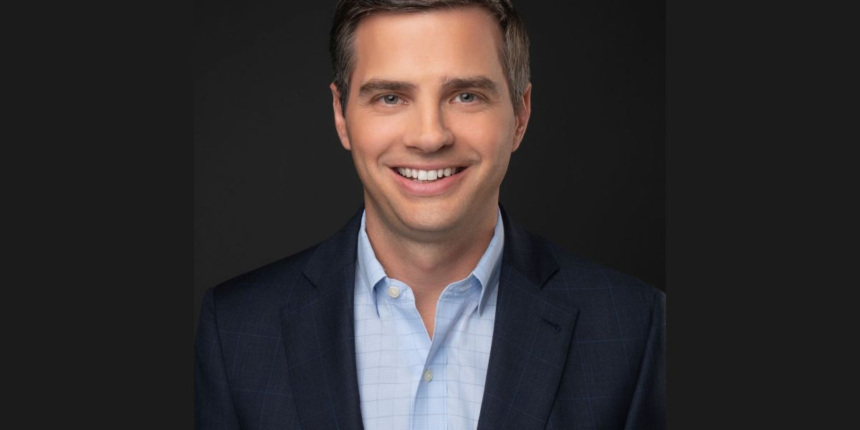
“We can teach you the hospitality business,” he told Fortune. “But do you have an attitude and a willingness to serve people? Because that’s the business we’re in, and it’s hard work, and it’s not sexy in many respects, but it’s good work and there’s a lot of dignity in it.”
But it’s also a philosophy he arrived at through his own unconventional path to the top of the hotel industry.
Growing up, he dreamed of becoming an NBA player. But after realizing elite basketball wasn’t in the cards, he pivoted toward finance—earning an economics degree from Duke University and a master’s in accounting from the University of Virginia.
“Hard work beats talent when talent doesn’t work hard,” Alexander said. “But if talent works hard, talent wins.”
The workers who stand out, Alexander said, will be the ones who know how to use technology thoughtfully while still bringing distinctly human judgment and curiosity to the table.
“With the advent of AI, I think that asking questions is like this very underrated skill,” he said, adding that those who succeed the most are those who are the best at prompting technology—and have the intuition to know what to refine.
Integrity and self-awareness also rank high on Alexander’s list of qualities he looks for in new hires. In interviews, he often asks candidates a revealing question: “What are some of the rough edges in your personality?”
That willingness to answer candidly can say more than a polished résumé ever could, he said. The response can also often reveal a person’s level of wisdom and discernment—two traits he believes are increasingly important in an AI-driven world, yet are still largely developed through relationships and real-world experiences.
“I don’t care what school it is—it could be Duke, it could be community college—being around relationships and engaging in the real world in a little bit of a protected setting, to me, is the way that you learn wisdom and discernment.”
For Alexander, work and life aren’t separate buckets competing against each other—they’re deeply intertwined.
“I think it’s a little bit of a fallacy to say, ‘You have work over here and then life over here, and striking a balance between those is what we strive for,’” he said. “I don’t think that’s it.”
Instead, he believes people should first decide what matters most to them—and accept the tradeoffs that come with those choices. For example, if you want to make as much money as possible in a set time, recognize that your friendships and physical health may suffer. On the other hand, he added, people who prioritize travel, exploration, or flexibility may not earn as much as peers working 80-hour weeks on Wall Street.
“I think about work-life balance through, ‘What is important to you?’” he said. “And then set about accomplishing that because work is a part of life, and it’s a really good part of life. If we didn’t have the chance to work, we would be miserable people. I’m confident in that.”
For Alexander, living out those priorities means waking up at 5:30 a.m. to run with friends before taking his kids to school, then wrapping up his workday back home around 6 or 7 p.m.
That perspective—less about balance as equilibrium and more about alignment and acceptance of tradeoffs—ultimately reflects how he thinks about fulfillment more broadly:
“Life is going to take you on journeys that you couldn’t write for yourself,” he said. “But keep showing up, keep working hard, keep investing in relationships—and to me, you’re going to end up doing something that is very fulfilling.”