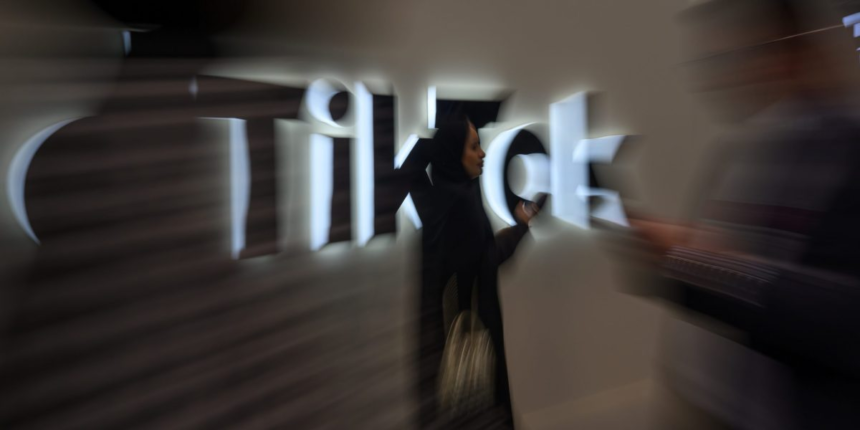
In January, TikTok’s U.S. operation was formally split from its global business and placed under a new joint venture in which Oracle holds a major stake, with the enterprise software giant now responsible for American user data and a U.S.-run version of TikTok’s recommendation algorithm. The shift capped years of political pressure and delivered what backers framed as a national security victory, but on the ground, many young users saw something else: a beloved app becoming an instrument of corporate and political power.
For Gen Z, that backstory matters because it ties their distrust of TikTok’s new stewards—Oracle, U.S. investors, and the political class—to a personal narrative: Someone who knows the guts of the old machine is arguing it’s structurally broken, and is offering a different model.
UpScrolled promises no shadow‑bans and a more transparent approach to moderation, with community rules against violence and hate but without the opaque, life‑script‑locking personalization that many Gen Z users now blame for their “brain rot.” It is not fully analog—this is still a social app—but it fits into a broader youth push to reclaim attention, whether through “dumb phones,” print zines, or slower, less gamified online spaces.