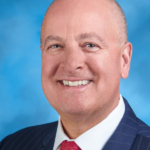
The arrests, which took place Wednesday in Florida, Alabama, and California, included Hon Ning Ho, also known as Matthew Ho, 34, a U.S. citizen born in Hong Kong and living in Tampa, Fla.; Brian Curtis Raymond, 46, a U.S. citizen from Huntsville, Ala.; Cham Li, 38, also known as Tony Li, from China and now living in San Leandro, Calif.; and Jing Chen, 45, a Chinese national on an F-1 nonimmigrant student visa living in Tampa, Fla. Chen and Ho appeared in court in Florida yesterday, Raymond appeared in court in Alabama, and Li appeared in court in California on Thursday.
A Corvex spokesman told Fortune: “Corvex had no part in the activities cited in the Department of Justice’s indictment. The person in question is not an employee of Corvex. Previously a consultant to the company, he was transitioning into an employee role but that offer has been rescinded.”
Raymond did not respond to requests for comment. A message left for Ho was unreturned. Attempts to reach Li and Chen were unsuccessful.
According to the indictment, the scheme centered around a front company, Janford Realtor LLC, that operated in Tampa and was owned and controlled by Ho and Li. Through the front company, Ho, Chen, and Li identified potential customers in China who wanted to buy Nvidia GPUs and then made orders through Janford and another unnamed U.S. company. Ho and other unnamed co-conspirators bought the GPUs from unnamed vendors, including from Raymond and another unnamed U.S. company, the indictment states.
Authorities said Janford was never involved in any real estate transactions. Raymond allegedly supplied the GPUs through his Alabama-based electronics company, the indictment states.
Each of the four is facing a maximum sentence of 20 years on the exports evasion, 10 years on the smuggling charges, and 20 years on each count of money laundering.
“While we were disappointed in the current state that prevents us from shipping more competitive data center compute products to China, we are committed to continued engagement with the U.S. and China governments and will continue to advocate for America’s ability to compete around the world,” Kress said on Wednesday during Nvidia’s third quarter earnings call.