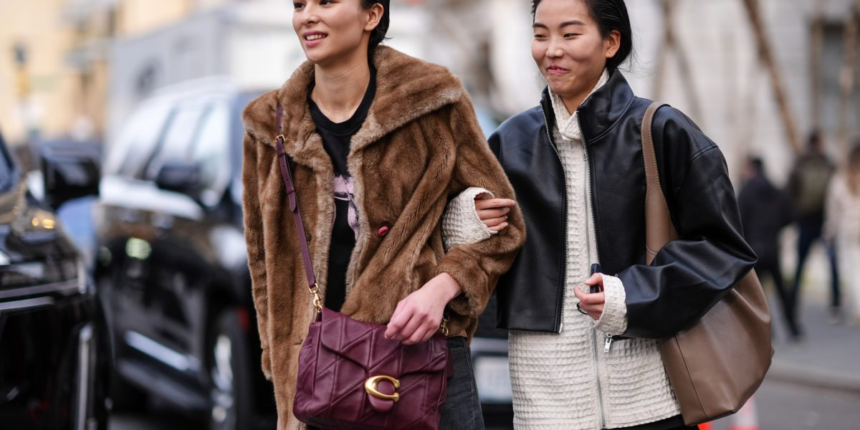
This new spending pattern resembles what Veblen once called “vicarious leisure,” displaying discernment rather than wealth. A $400 Coach tote bought instead of a week of takeout lunches becomes both reward and reassurance: proof of self-control and style all at once.
Younger consumers are, as Veblen might put it, performing taste with efficiency. They still pursue distinction, but the medium is creative reuse rather than cash flow.
Influencer culture has supercharged this feedback loop. What Veblen saw as the public exhibition of wealth has become the performance of aspiration, now filmed, edited, and pushed through a recommendation feed. TikTok and Instagram influencers act as both tastemakers and salespeople, offering five-minute testimonials that make luxury feel both attainable and necessary.
According to the BCG report, 65% of Gen Z consumers say social media is their primary source of fashion discovery, more than twice the share of any older generation. Nearly half report buying products directly because they saw them on TikTok or Instagram, and 40% already use AI-powered recommendation tools to compare styles and prices. The result is a generation whose spending patterns are shaped less by brand loyalty than by algorithmic suggestion.
For Veblen, this constant striving was never about the goods themselves. It was about social reassurance.
“The end sought by accumulation,” he wrote, “is not consumption of goods, but the evidence of wealth.”