Launched in November 2024 by the crypto company Paxos and six other partners, the consortium lets members mint, or create, the network’s stablecoin USDG, a cryptocurrency pegged to the U.S. dollar. Members of the group share the interest earned from the reserves backing the stablecoin, which are usually U.S. Treasuries.
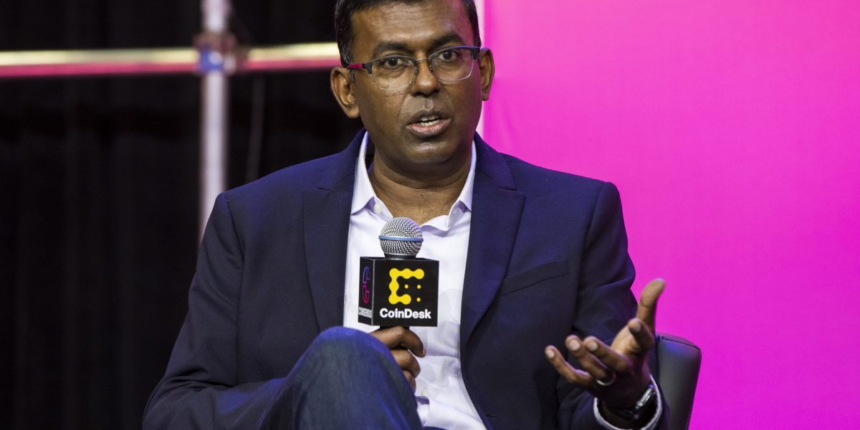
“If the stablecoins are well-formed, well-regulated, and they meet our criteria, we will enable them in a variety of use cases,” Raj Dhamodharan, an executive vice president at Mastercard in charge of the company’s crypto and blockchain efforts, told Fortune. He declined to say whether his company planned to add support for USDT, the most popular stablecoin whose issuer Tether has long been in the crosshairs of regulators.
Mastercard also said it was adding stablecoins to its cross-border and remittances network called Mastercard Move, whose customers include MoneyGram. The remittances company did not immediately respond to a request for comment on whether it plans to let its own customers send or receive the tokens.
As part of Tuesday’s announcement, Mastercard said that Fiserv, whose clients include banks, credit unions, and a host of other financial companies, will connect to the Multi-Token Network. This would allow Fiserv’s customers to more easily go between bank deposits and stablecoins, Dhamodharan said.
“Stablecoins themselves do not actually make anything happen,” he said. “For it to come to life, for it to be used by people and get accepted by people, you need rails, you need protections.”