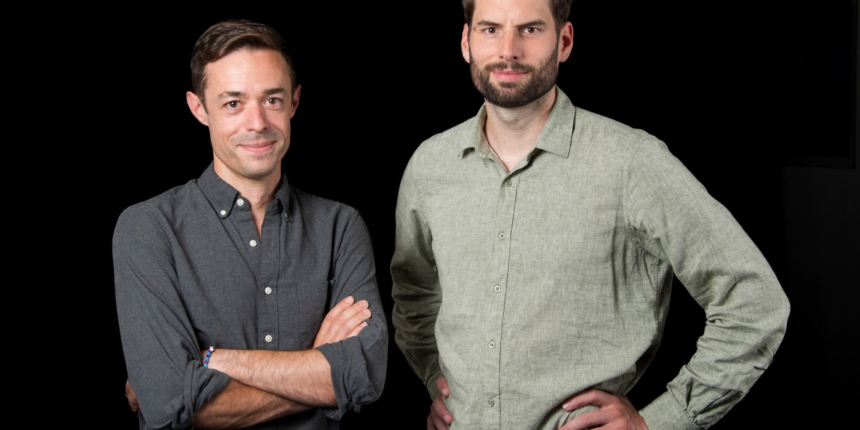
Founded in 2022, Gravis is trying to solve one of the construction industry’s key problems—a looming talent shortage. A large proportion of skilled machine operators are nearing retirement, and not enough younger workers are entering the field to replace them, co-founder and CEO Ryan Luke Johns told Fortune.
“There’s a massive peak in demand for renewable, resilient infrastructure, which means we need more operators—and there just isn’t enough,” he said. “It’s not a sexy job. It’s not a job that any young person really wants to go into.”
Across the U.K., Europe, and the U.S., governments are building wind farms and grid infrastructure to meet clean‑energy goals, tech companies are rushing to construct huge data centers to power AI, and cities desperately need more housing. The talent shortage threatens to slow all of this, potentially driving up costs and stretching timelines on projects that power everything from renewable energy to the servers running ChatGPT.
Part of the reason construction work is becoming increasingly unattractive for humans is that operators face a high risk of injury. Johns told Fortune that Gravis’ technology aims to address such concerns by reducing risky tasks, like surveying or marking out work areas, while keeping humans in control. The company adds cameras, sensors, and AI to existing excavators, loaders, and other heavy machines so they can operate autonomously or with remote guidance via Gravis’ Slate tablet.
“Our technology is actually bringing other young people to want to do this job,” he added. “Because you’re looking at a tablet, instead of sitting behind joysticks.”
“The fastest path to autonomy is delivering productivity today,” Johns said. “By giving operators real-time 3D intelligence and the ability to shift seamlessly between autonomy and guided control, we cover more of the work, accelerate adoption, and create the data pipeline needed to learn new capabilities from the industry’s hardest jobs.”
Johns says Gravis is not aiming for fully unmanned construction sites. Instead, its systems work alongside humans, learning from complex and changing sites while boosting productivity. As demand grows for housing, renewable energy projects, and safer infrastructure, Gravis believes its AI and sensors can help contractors get more work done efficiently and safely.
“Gravis stands out, not just for its technical brilliance, but for how much it’s already achieved. The team’s thoughtful, grounded approach to autonomy—deploying real systems with real crews—has led to trusted partnerships with some of the largest global construction companies and [original equipment manufacturers] and invaluable data from time-in-field,” said Archie Muirhead, partner at IQ Capital. “This huge and unserved market is ready now for autonomy.”