Even a free infrastructure project wasn’t enough to convince Maryland officials to work with Elon Musk.
On Tuesday, Elon Musk’s tunnelling business, the Boring Company, started discussions with city officials about building a free tunnel around the Baltimore Ravens’ football stadium. While the free project seemed like a coup for the Ravens, who had pitched it to the Boring Co., the idea was short-lived. Within nine hours of the announcement, Baltimore’s mayor and city council had filed a lawsuit against xAI, an AI company also owned by Musk, alleging that its chatbot “flooded” users’ feeds with nonconsensual intimate imagery and child sexual abuse material.
Together, the two moves mark a notable shift in a state that courted Elon Musk’s business with open arms only a decade ago and illustrates the challenges now facing Musk’s collection of companies as the famously impulsive and truculent mulit-billionaire has turned himself into a political lightning rod.
In statements emailed to Fortune, Baltimore’s City Solicitor Ebony Thompson said the City had sued xAI “to protect residents from deceptive and harmful practices involving generative AI tools,” and the Mayor’s Office said it supported the Ravens’ “decision to withdraw their application.” The Mayor’s press secretary declined to comment further.
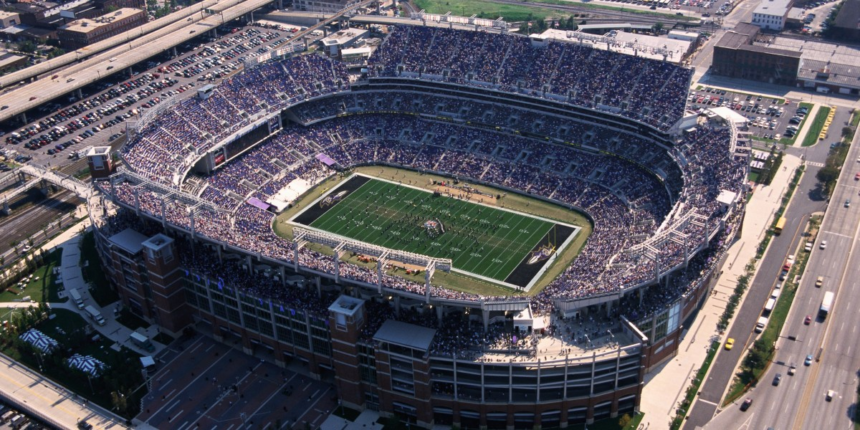
The Raven Loop tunnel was one of more than 480 pitches Boring Company received to build a one-mile long loop tunnel that is 12 feet in diameter. No other details about the Ravens’ specific pitch have been made available. The M&T Bank Stadium, where the Baltimore Ravens play, currently seats about 70,000 people at capacity and spans approximately 1.6 million square feet. Fans typically drive and park around the stadium, use the city light rail system—which has a Stadium stop, take the nearby subway and walk for about 20 minutes, or, especially for bigger games, use added transit and shuttle systems.
The proposed tunnel does not seem to have received much public attention among Ravens fans or city residents before it was scrapped, with scant debate supporting or opposing the project in the local news.
The demands followed wide reports in late December and early January that Grok, the name of xAI’s chatbot, had been generating photos of women undressed or in bikinis, violent sexual content, or explicit images involving AI-generated individuals that appeared underage.
In the City of Baltimore’s lawsuit, the Mayor and City Council accuse Grok of exposing residents to the risk that any photograph they uploaded—of themselves or of their children—could be ingested by Grok and transformed into sexually degrading deepfakes without their knowledge or consent.
The lawsuit also alleges that xAI has been responsible for “normalizing a form of image-based sexual abuse that is difficult to prevent, contain, or remedy once unleashed at scale.”
xAI and Boring Company did not respond to requests for comment.
Baltimore was supposed to be the first showpiece of what Elon Musk’s tunneling startup, Boring Company, could be capable of.
Earlier this year, as part of Boring Co’s efforts to expand to more regions, the company launched a “tunnel vision challenge” soliciting pitches for various tunnel projects—such as utility, water, or pedestrian tunnels—around the U.S. and promising it would build a tunnel to one winner for free.
The process culminated with the announcement this week that the Boring Company had selected the “Ravens Loop” project in Baltimore as one of three projects it would pursue—only for the Ravens to suddenly have a change of heart regarding Musk’s munificence.
“Following discussions with public partners, we have determined we will not continue with the process at this time,” a spokesman for the Baltimore Ravens sent Fortune in a statement.