First the good news: Kohl’s finally has a steady hand at the helm after promoting its interim CEO to the top job, following years of churn in its C-suite. The deterioration of the retailer’s net sales is finally slowing.
Now for the bad news: Kohl’s business is still bleeding. And to stop the downward spiral it finds itself in, the department store will have to make big moves that may deprive its employees of some of the stability they crave.
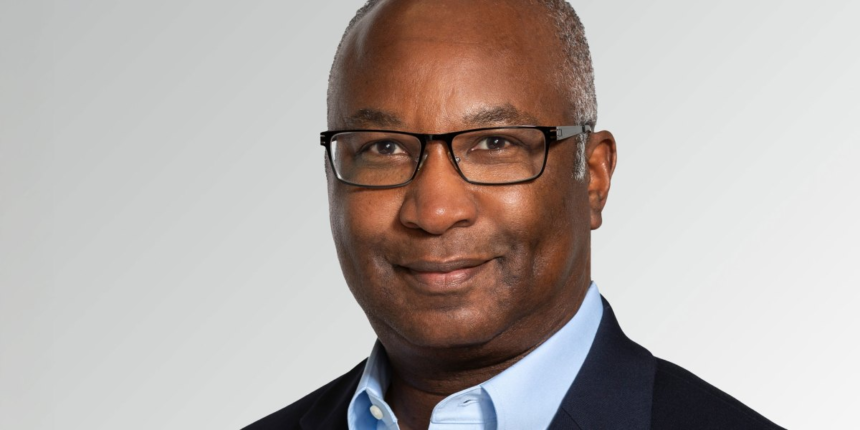
On Monday, Kohl’s announced that long-time board member Michael Bender would become its CEO after six months in the role on an interim basis following the firing of his predecessor for major ethics violations. And on Tuesday, the department store chain reported that sales had slipped a less-than-expected 2.8% to $3.41 billion in its third quarter. It now expects them to fall 3.5% to 4% for the full fiscal year—a smaller drop than previously anticipated. Kohl’s shares rose 35% on those signs of progress. Bender has also protected Kohl’s profit margins by deftly managing inventory levels and cutting costs.
“Over the past few months, I’ve seen us work more effectively and with more urgency to improve our business,” Bender said in a video sent to employees this week saying was taking the top job, which makes him one of only 10 Black CEOs in the Fortune 500. “I see your drive to win.”
And time is of the essence: The holiday season, which generates some 30% of annual profits, kicks into high gear on Friday.
Of course bleeding less profusely is not the same as returning to health. And these initial green shoots Kohl’s is seeing won’t—in themselves—be enough to return it to long-lasting growth. Revenue peaked in 2012 at $19.3 billion, then stagnated for a few years before starting to slip more quickly in 2019.
Kohl’s, founded in 1962, boomed in the 1990’s and 2000’s at a time when traditional mall-based department stores struggled. The Wisconsin-based retailer found a winning formula: selling the national brands found at department stores, along with lower-price house brands, without forcing shoppers to go to the mall. Its stores were smaller than those of its rivals and more manageable, and were usually found in “strip” centers, closer to where customers live, with easier parking.
But that advantage became less crucial or unique as Amazon and e-commerce rose: It simply mattered less to shoppers where stores were physically located. All the while, chains like T.J. Maxx stole market share by offering big name brands at big discounts. And Kohl’s private brands, like Arizona, fell out of favor with customers in the 2010’s. Kohl’s has more recently been seen as having lost its pricing edge.
“Kohl’s shoppers are laser-focused on value for money and most of those who have defected feel that Kohl’s is not delivering on that promise,” said Neil Saunders, managing director of GlobalData, citing his firm’s market research.
Bender is acutely aware that consumers are pinched, and as a result are being more discerning in their buying decisions, and told Wall Street analysts, “Our customers are becoming increasingly choiceful as their discretionary income remains pressured.”
In recent years, Kohl’s lost many shoppers as it de-emphasized reliable categories such as women’s apparel, jewelry, and petite clothing. Bender said much of the recent improvement at the company has come from restoring its assortment in those product groups.
All this led to the company to raise its 2025 forecasts, something analyst Dana Telsey of Telsey Advisory Group called “encouraging sign” given that Kohl’s is figuring out how to get shoppers back to stores and to win back market share, while cautioning that that would take time.
Bender himself acknowledged that. “We’re encouraged with the results,” he said, “but still have more work to do.”