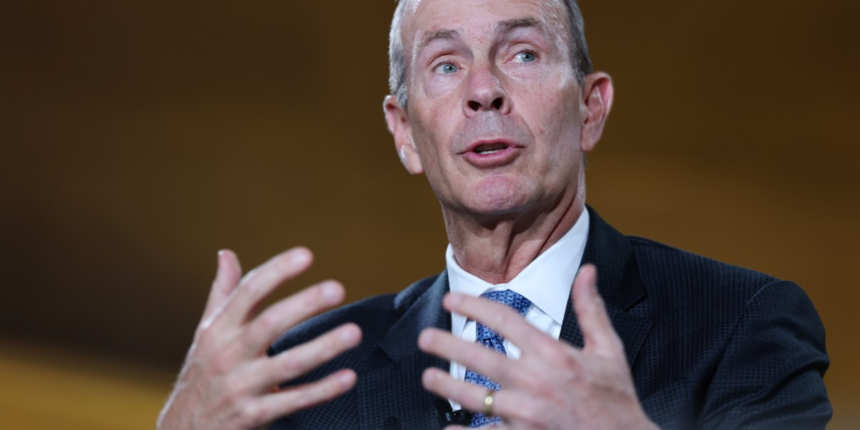
“There are very real physical manifestations of the closure of the Strait of Hormuz that are working their way around the world through the system that I don’t think are fully priced in,” said Chevron CEO Mike Wirth.
“The fundamentals are very tight out there,” Wirth said. “The markets are trading on scant information.”
“Physical supply changes don’t respond immediately,” he added. “Even when strait reopens at some point, it will take time.”
Oil prices dipped notably March 23 when President Donald Trump said he would delay any attacks on Iranian energy infrastructure by five days to allow for greater negotiations, pushing back his March 23 deadline for Iran to reopen the strait. Iran has in turn said it would attack more energy facilities in neighboring Gulf countries if the U.S. followed through on Trump’s threats, further escalating the war. And, later in the day, Iranian officials said no negotiations have taken place, accusing Trump of pushing “fake news” to lower prices.
Iran’s counteroffensive strategy of attacking the oil and gas supplies of its neighbors is a form of unprovoked terrorism that will not be accepted, said Sultan Ahmed Al Jaber, the United Arab Emirates minister of industry and advanced technology, and group CEO of ADNOC, the Abu Dhabi National Oil Company.
“Weaponizing the Strait of Hormuz is not an act of aggression against one nation. It’s economic terrorism against every nation,” Al Jaber said. “And no country should be allowed to hold Hormuz hostage. Not now, not ever.”
He accused Iran of “choking the throat” of the “global economy.”
Kicking off CERAWeek, U.S. Energy Secretary Chris Wright, a former oil and gas executive, said the Iran war is a “conflict that we simply couldn’t kick down the road one more administration.”
Wright called the war “short-term disruption now, but to end a multi-decadal problem.”
The International Energy Agency agreed this month to release 400 million barrels of oil from emergency storage, including 172 million barrels from the U.S. Strategic Petroleum Reserve.
Wright said the U.S. began withdrawing oil from the SPR on March 20 and that the U.S. will release at least 1 million barrels each day from the SPR for the next few months. The total global release would equate to nearly 3 million barrels daily, he said.
“Oil remains the most important energy source in the world,” Wright said. “No oil, no modern world.”