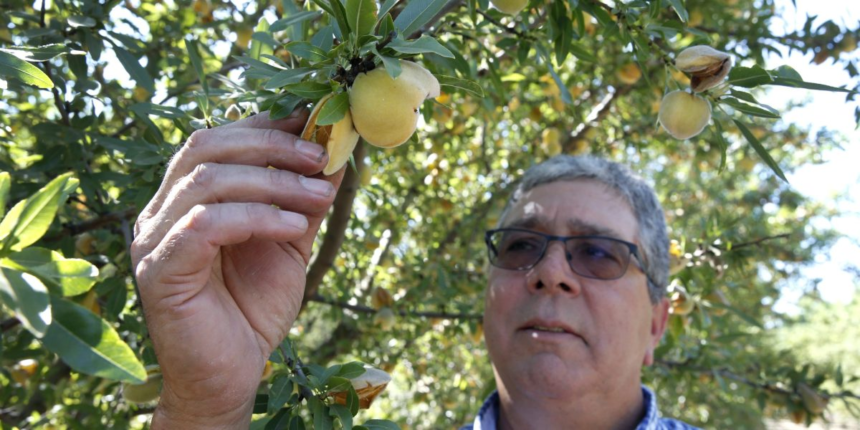
For many warm weather fruit lovers, the prospect of unlimited ripe and rosy peaches is mouth-watering. For Central California farmers, it’s more of a waking nightmare.
To make ends meet, these farmers are now weighing whether to destroy about 3,000 acres, or about 420,000 clingstone peach trees, following the closure of Del Monte Foods canneries earlier this year. With the shuttering of the Modesto Del Monte plant, which processed between 30% and 35% of the state’s cling peaches, the peach farmers are now left with a glut of fruit—and no one to sell it to. Now farmers are left with little choice but to uproot these trees and pivot to different crops to recoup losses.
Schiff, citing a USDA analysis, noted that removing 50,000 tons of peaches from production could save farmers about $30 million in projected losses that would have otherwise gone to waste with the shuttering of the farmers’ biggest buyer.
A fallen food production giant
Adapting to contract losses
Though some farmers and lawmakers celebrated the $9 million in assistance to remove the peach trees, growers said adapting to lost Del Monte contracts will be easier said than done.
“There’s really nothing that you can move into,” Tony McGrath said. “Walnut prices aren’t that great. You can do prunes, but it takes you seven to eight years to develop it and start getting money back from it. Almonds, there’s quite a few of them also, and it’s very expensive to start an almond orchard.”