For context, that decision proved to be wise: The shale boom—with its horizontal drilling coupled with hydraulic fracturing, or fracking—turned the U.S. from a country that pumped out 5 million barrels of oil a day 20 years ago into a world-leading powerhouse churning out almost 14 million barrels daily and even exporting nearly 5 million barrels.
Global exploration is recovering from historically low levels, so progress remains gradual, but it is clearly rebounding, said Patrick Rutty, direct at Enverus Intelligence Research.
“Given recent drilling success and diminished concerns over peak [oil] demand, the industry is reprioritizing exploration, a dynamic that should drive resource capture to relatively high levels over the next five years,” Rutty said. He added that there remains a risk of a global oil shortfall later this decade as demand continues to rise in the short term.
Another reason why global exploration had stalled is the ongoing projection that global oil demand would eventually peak and began to decline later this century as the world moves to electric vehicles and other cleaner fuel sources. But, while demand growth has slowed, it is still on the rise, and a shortfall now looks like the greater short-term risk.
That is especially true because U.S. shale wells tend to dry up more quickly than conventional wells after producing large oil volumes for a few years.
So Big Oil is now taking action.
Chevron is returning to Libya after previously exiting the country in 2010, during a time of intense political unrest.
“Libya has significant proven oil reserves and a long history of producing its resources,” said Chevron Vice President of Exploration Kevin McLachlan. “Chevron is confident that its proven track record in developing oil and gas projects and its technical expertise gives it the ability to support Libya to further develop its resources.”
Chevron said the deal showcases the company’s growing focus on the Eastern Mediterranean region in northern Africa and the Middle East. Chevron is also in the process of expanding its operations in Egypt, Cyprus, and Turkey.
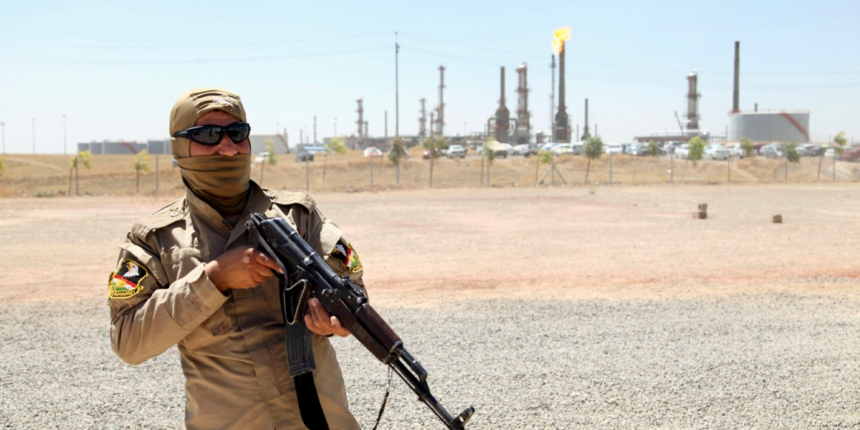
Chevron also is negotiating a potential return to Iraq. In October, Exxon Mobil signed an agreement to return to Iraq as well.
Chevron chairman and CEO Michael Wirth highlighted the global exploration momentum in his Jan. 30 earnings call. He said there’s a broader uptick in interest from countries that want American companies to invest in their resource extraction.
“It’s been a decade or more since we’ve last really had any kind of a serious look at Libya. Those things are changing,” Wirth said. “The resource potential in some of these countries is undeniable. Iraq and Libya are two of the largest resource holders in the world.”
Chevron’s top oil production hub is, by far, the United States—accounting for close to half of its total volumes. Next up is its leadership in Kazakhstan.
Exxon chairman and CEO Darren Woods touted its efforts during an October earnings call.
“With the [U.S. shale] depletion curve, the industry has to continue to think long term, invest, and find resources. That, I think, you’re now seeing play out,” Woods said. “People see that resource and the horizon of it, and are shifting to the long-term, longer-cycle projects out there. We’ve never taken our eye off that.”