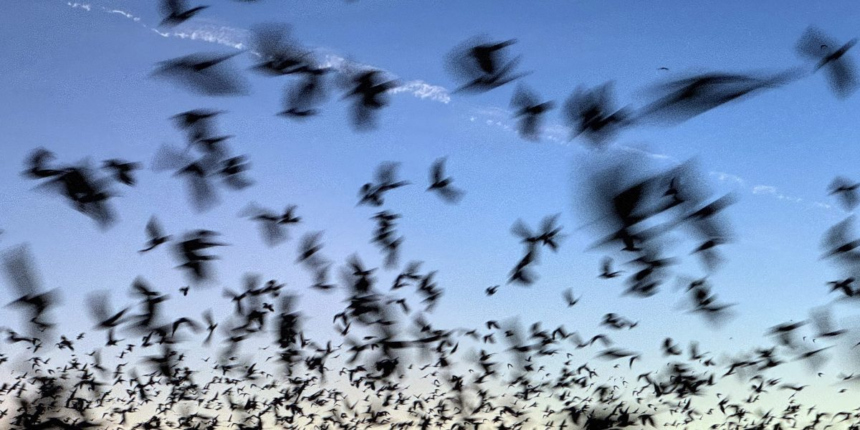
Most Americans tend to think about bats only around Halloween, but the U.S. economy benefits from these furry flying mammals every day.
First, consider how many insects bats eat.
That is a significant amount of pest control provided by bats!
After white-nose syndrome arrives in an area, the loss of bats has significant consequences for farmers.
The story does not stop at the farm.
Those governments must respond by reducing services, raising taxes or increasing how much money they borrow – often at a greater cost of borrowing. The effect is especially pronounced in rural counties, where agriculture makes up a large share of property tax revenue.
The loss of county revenue makes municipal bond investors nervous. Buying a municipal bond is a bit like lending money to the county, and the interest rate is what the county pays you for taking on that risk.
The higher interest rate raises borrowing costs for county governments. For example, the borrowing costs on a typical 15-year, $1 million bond would increase by more than $33,000.
The good news is that the benefits from healthy bat populations create opportunities to make money from bat conservation.
Farmers can increase their incomes. Local governments can recover property tax revenue to fund public services, such as road maintenance, health infrastructure and public schools. Bond investors can earn financial returns from healthier bat populations.
No silver bullet exists for protecting or restoring bat populations affected by white-nose syndrome, but promising efforts are underway.
As these solutions develop, opportunities will emerge for farmers, local governments and investors to earn financial returns through bat conservation. In other words, saving bats isn’t just good ecology – it’s good economics.