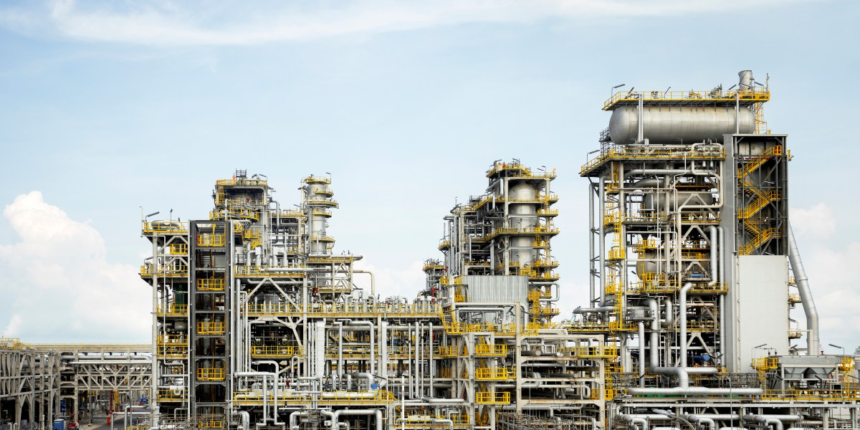
Tucked away in an industrial estate in Singapore’s Tuas district is the world’s largest refinery for sustainable aviation fuels (SAF), where organic waste products like used cooking oil and animal fats are converted into energy to power airplanes.
“Asian governments are now making regulatory commitments to SAF,” Mifsud, who oversees the firm’s sales and trading in renewable fuels for the EMEA and APAC regions, told Fortune. “We’ve seen this in Europe—one or two countries start, and other countries will follow.”
“The 1% target doesn’t seem like a massive goal, but it will start the ball rolling,” Mifsud explains. “Neighboring countries will look and follow.”
Thailand also plans to reveal national SAF standards this year. Last July, national carrier Bangkok Air began using a 1% SAF blend last July, cutting about 128 kilograms of carbon emissions per flight. (On average, flying from London to New York generates about 493 kilograms of carbon per passenger, according to German nonprofit Atmosfair.)
SAF has been one way that the carbon-intensive aviation industry—responsible for 2.5% of global emissions—has tried to go green. Now, with governments getting serious about pushing airlines to use sustainable fuel, the industry may finally be starting to get off the ground.
On Jan. 26, Hong Kong-based energy firm EcoCeres opened Malaysia’s first commercial-scale SAF production facility in the city of Johor Bahru, just across the border from Singapore. It can produce up to 420,000 metric tonnes of SAF each year.
During the launch of EcoCeres’ Tanjung Langsat plant, Noraini binti Ahmad, Malaysia’s minister of plantation and commodities, said Malaysia would soon have its own SAF targets.
The Johor plant is EcoCeres’ second, following its factory in China’s Jiangsu province, which generates 350,000 metric tonnes of SAF per year.
Matti Lievonen, the CEO of EcoCeres, said the Malaysia plant marks the firm’s first step to expanding internationally. “This place in Johor is excellent, because you have feedstock from Malaysia and other Southeast Asian countries, a really good seaway to pop out deliveries and a strong workforce in Malaysia.”
Aviation accounts for roughly 2.5% of global carbon emissions, yet ways to decarbonize the sector are still in the stage of development and are unfeasible for long-haul flights.
Electric aviation, for example, may work for only very short trips, as it’s constrained by the energy storage capacity of batteries. (Jet fuel holds 30 times more energy per kg than the most advanced lithium-ion battery.)
“Renewable fuels are very much at the start-up phase,” Mifsud of Neste says. “When you’re in oil and gas, you drill a well and get your oil out—it’s very simple. But when you’re in renewable fuels, the collection of waste materials brings significant complexity.”