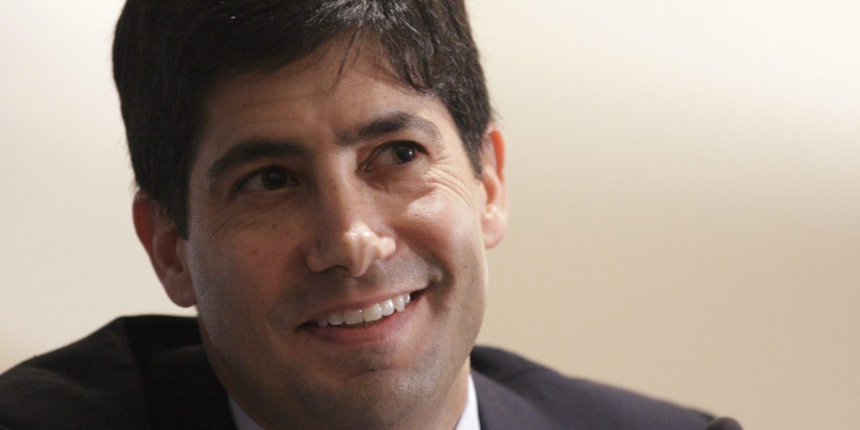
President Donald Trump doesn’t simply staff his administrations. He “casts” them. And the position of chair of the Federal Reserve is no exception—perhaps the opposite.
Announcing Kevin Warsh Friday morning as his pick to replace Jerome Powell when Powell’s term expires in May, Trump praised the former Fed governor not just for his résumé, but for his fit.
That phrase, “central casting,” has become vintage Trump over the past decade. The former reality-star-turned-president has long viewed senior roles not merely as technocratic jobs, but as parts to be played on the national stage.
At the time, Warsh may simply have seemed too baby-faced to play the role Trump had in mind: a central banker capable of steering interest-rate decisions on national television and fielding market-moving questions from reporters. Now, at 55, Warsh seems to have aged into the part.
Trump, however, has a particular vocabulary for this way of thinking. He routinely describes favored figures as “central casting,” using it as an adjective—“That’s so central casting” or “Is he central casting or what?” For those unfamiliar with the Hollywood lore that created this phrase, here’s what Trump is talking about, and how it shapes his thinking.
With much concern over the erosion of central bank independence, Trump’s central-casting-style preferences for appointments may not be reassuring, as central bankers must rely on a credibility that’s not skin-deep. Then again, Jerome Powell himself was once considered by Trump to be of that “type,” and now Trump can’t seem to wait for the time when he’s replaced by the next central-casting central banker.