President Donald Trump’s tightening ties with Argentina have continued to vex rural American farmers, who have warned increased aid to the South American country will jeopardize the domestic agricultural economy. First, there was news of a $20 billion swap line arranged by Treasury Secretary Scott Bessent. Then there was revelation that Argentina was selling soybeans to China, which had cut U.S. imports to zero. Now, the Argentine cattle question is in open play.
“Argentina is fighting for its life,” Trump said on Sunday. “Nothing is benefiting Argentina.”
The U.S. Treasury Department did not respond to Fortune’s request for comment.
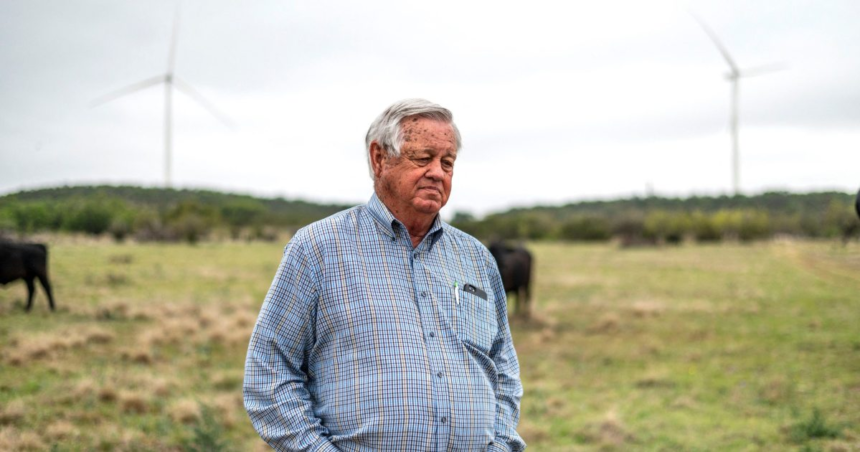
While soybean farmers have advocated for a trade deal with China to regain strength in the global market, cattle ranchers have a simpler demand.
“They’re not asking for anything,” Derrell Peel, a professor of agribusiness specializing in livestock at Oklahoma State University, told Fortune. “Basically, they just want everybody to get out of the market and let it do what it does.”
Cattle farmers are well-equipped to deal with dwindling flock sizes, which are a part of about a decade-long cycle of a natural swelling and contracting of livestock populations as result of cattles’ biological life cycle, Peel said. While severe droughts have made this period of liquidation more acute than previous cycles, the industry is used to having free trade to move through the supply contraction.
“Anything that would jeopardize the opportunity here to replenish financially, recover from the last adversities, as well as plan ahead for the next turn to this thing, is naturally going to cause a negative reaction on the part of producers,” he said.
Moreover, Peel said, Argentina represents only about 2% of U.S. beef imports, meaning leaning on the country for imports would do very little to increase U.S. beef supply, particularly compared to big importers like Australia and Brazil.
“We’re effectively out of that market now, largely,” Peel said. “So that’s an impact. It’s been kind of massive.”