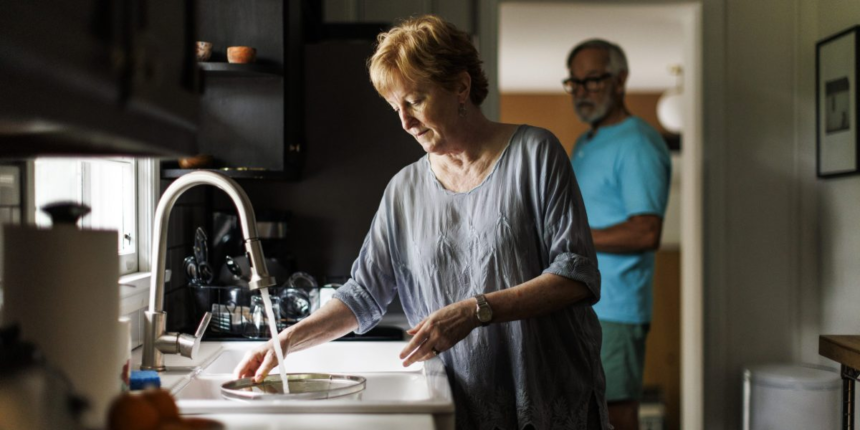
Some viewers feel showcased homes look more affluent than their own reality, prompting debate over whether the poster is truly middle class or, as one commenter put it, “upper class hiding behind modest decor.” Posts that offer relatable glimpses of chipped baseboards, mismatched furniture, and paper window shades are championed by those who feel social media is otherwise awash in unattainable luxury. Others point out that the middle class can’t be defined solely by appearances, given regional cost differences and inflation.
Itʼs a vivid new window into just how confused people are about class in 2025. Many Americans seem genuinely unsure what distinguishes the different class gradations, or where their own household falls. The confusion is heightened by cost-of-living differences across the country and shifting economic benchmarks caused by persistent inflation and wage stagnation.
#middleclass #lowermiddleclass #house
Ik it’s really messy we are still not fully moved in yet #middlemiddleclass
Maggiulli argued that “something weird’s going on” because people who are objectively very successful seem to be struggling to enjoy the fruits of their labor. “They’ve done well in life … but on a relative basis in the United States, the competition for these higher-end goods is very high, so now it feels like we’re all canceling each other out with all this extra wealth.” An economy that wasn’t built for so many affluent households is straining under intensified competition for scarce high-end goods, housing, and lifestyle perks, leaving many statistically rich families feeling squeezed rather than secure. In the contemporary U.S., he added, “the poor own cars, the middle class own homes, and the rich own businesses.” The average-home tours of TikTok are revealing that middle-class homes seem to look and feel different from what many people expect.
“What are our goals?” Dobson asked Fortune hypothetically, on the sidelines of the conference. “Is our goal to get everyone long real estate? Or is our goal to get everybody to live where their kids can go [to a good school] and be successful?” He said there’s a big, glaring problem for the traditional driver of middle-class wealth: “In reality, the problem is that homeownership is too difficult to reach, and there aren’t enough homes—across all types and price points—to meet consumer needs.”