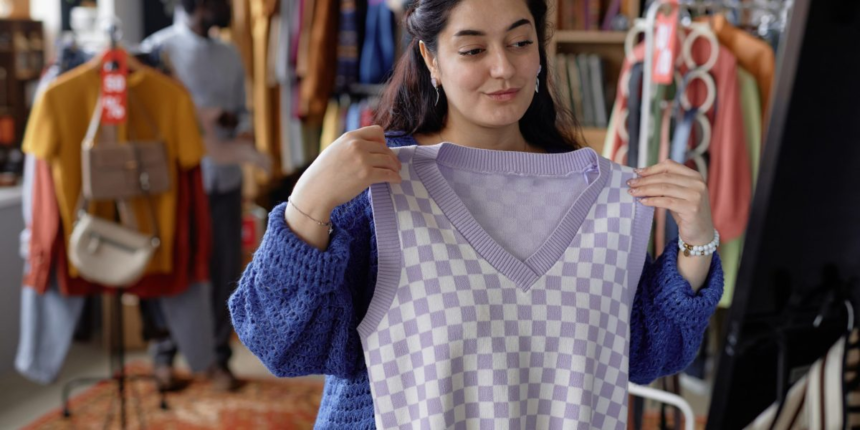
Americans are spending more on secondhand clothes again after years of dealing with price increases, but the way they’re spending is indicative of America’s K-shaped economy.
Secondhand fashion transactions were up 22% year over year in March. Growth was fueled by increases in both “discount apparel,” which was up more than 4% between the fourth quarter of 2025 and the first quarter of this year, as well as secondhand luxury fashion spending, which jumped fivefold during that span, according to the report.
“We’re seeing that growth isn’t uniform, and it really is concentrated, seemingly, at the high and low ends of the market when it comes to clothes,” Bowley told Fortune. “The amount of money that you’re bringing home is ultimately going to determine what your budget looks like.”
The study did not measure donation or charity-centered thrift models.
Gen Z is not only driving an increase in secondhand clothing demand, they’re also steadily increasing their use of these resale platforms to supplement their income. The number of Bank of America customers selling secondhand clothes increased 16% year over year in March, according to the report, and Gen Z made up 41% of sellers selling their clothes secondhand so far this year.
“When it comes to Gen Z and people looking to stretch their budgets, turning to resale is one way in which consumers seemingly are doing that,” said Bowley.