Capital expenditures—capex, meaning the big-ticket purchases that fund the data centers, servers, and power infrastructure undergirding the AI race—is fueling record-high, multi-trillion dollar tech valuations when investors think the spending is warranted. But companies get punished when investors worry they might not see returns that justify hundreds of billions in spending.
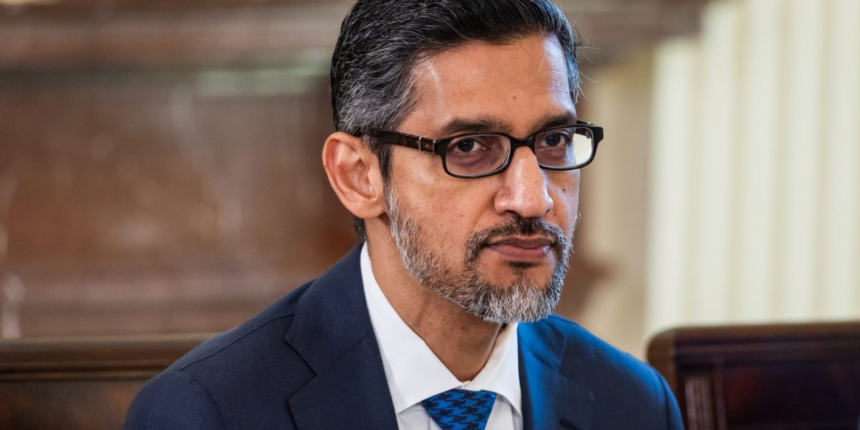
“We are in a very, very relentless innovation cadence, and I think we are confident about keeping that momentum as we go through 2026,” Pichai said on the company’s Q4 earnings call Wednesday.
At the same time, when asked what keeps him up at night during the call, Pichai’s response showed his concern about the capex surge and the longer timeline needed to convert that investment into actual working data centers, to overcome power bottlenecks, increase chip manufacturing, and master the skills needed to make it all happen.
“I think specifically at this moment, maybe the top question is definitely around compute capacity [and] all the constraints—be it power, land, supply chain constraints,” Pichai said. “How do you ramp up to meet this extraordinary demand for this moment, get our investments right for the long term, and do it all in a way that we are driving efficiencies and doing it in a world-class way?”
“I do expect to go through the year in a supply constrained way,” Pichai said.
Investors seemed unsure how to react to Alphabet’s plans. The stock initially nosedived more than 6% in after hours trading Wednesday, then rose more than 2% as Pichai and his team spoke during the earnings call, only to dip slightly back into the red, down 0.4%.
Alphabet executives emphasized the various ways in which the hefty AI investments are translating into benefits for the company. Google users are searching more in AI mode than via traditional web searches, and they’re spending more time on Google’s sites, the company said. Business customers are taking advantage of Google Cloud’s AI capabilities and using more products in the portfolio.
“It’s already delivering results across the business,” CFO Ashkenazi said during the call, regarding the company’s AI spending.
According to Ashkenazi, the majority of Alphabet’s capex spend was invested in technical infrastructure, with about 60% going to servers and 40% to data centers and networking equipment. Ashkenazi said those investments support “frontier model development by Google DeepMind, ongoing efforts to improve the user experience and drive higher advertiser [return on investment] in Google services, significant cloud customer demand, as well as strategic investment and other bets.”
She added the cloud backlog—future contracted orders showing demand—rose 55% this quarter and more than doubled year-over-year, hitting $240 billion at the end of Q4.
Pichai addressed the issue on the earnings call, noting that AI is an “enabling tool,” and not necessarily a threat, and that the best companies will incorporate it into their workflows. This will make them better cloud customers, he said. “The companies who are seizing the moment, I think, have the same opportunity ahead,” said Pichai.